

Intro
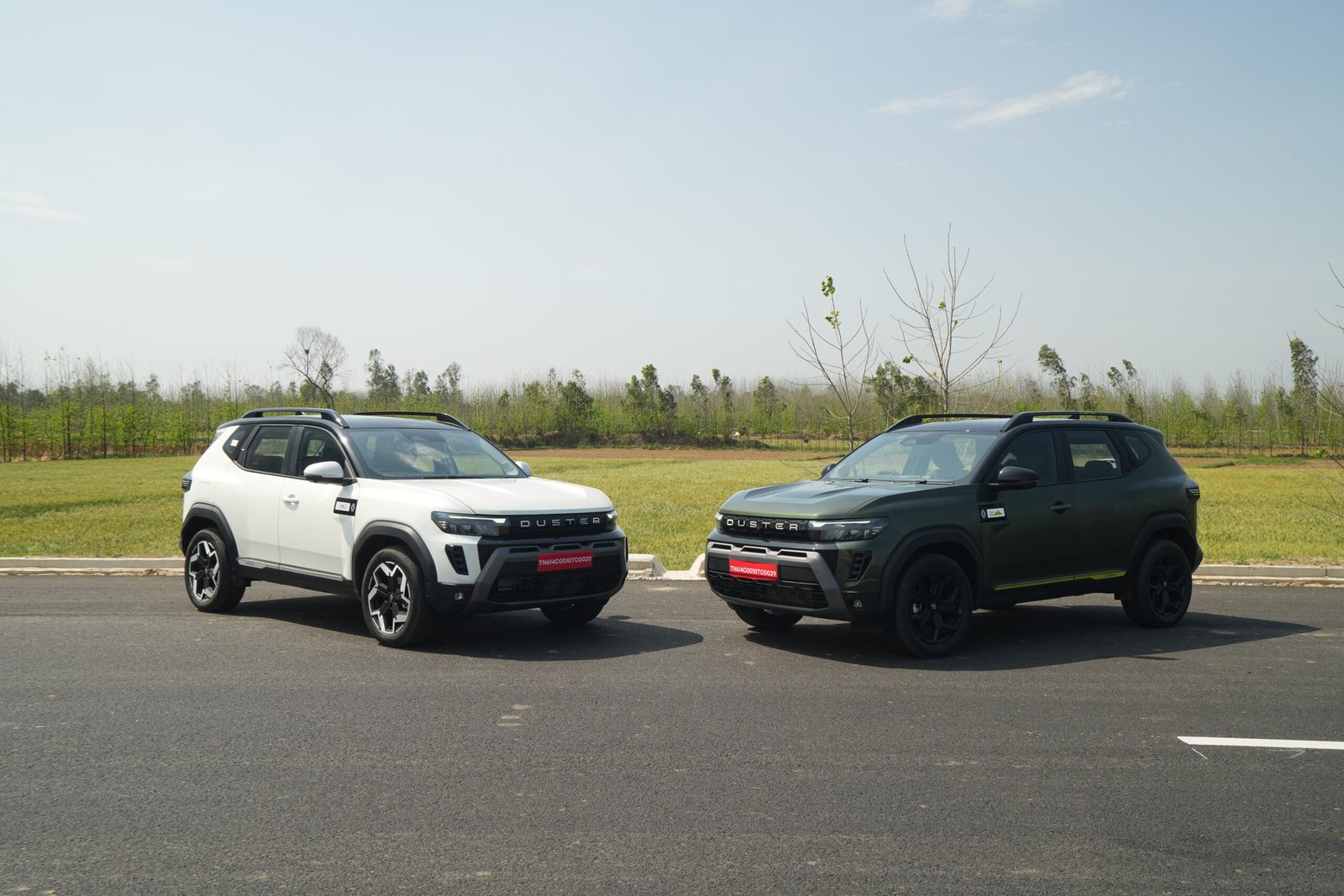
Some cars earn their name. The Renault Duster is one of them.
When it first arrived in India in 2012, the Duster changed what buyers expected from an affordable SUV. Strong ride quality, diesel efficiency, generous space, and a rugged honesty that felt refreshing. It built real loyalty. And then, quietly, it got old.
By 2022, the Duster was outgunned on features and outpaced by a segment that had moved on rapidly. Renault pulled it from the market. Four years later, it is back.
The third generation Duster launched in India on March 17, 2026, built on Renault’s new RGMP platform. This is not a facelift. It is a ground up reinvention that keeps the rugged DNA while adding modern design, premium interiors, strong petrol engines, and proper safety tech.
The question is whether it has done enough to reclaim its place in a segment that is now far more competitive than when it left.
Pricing & Variants
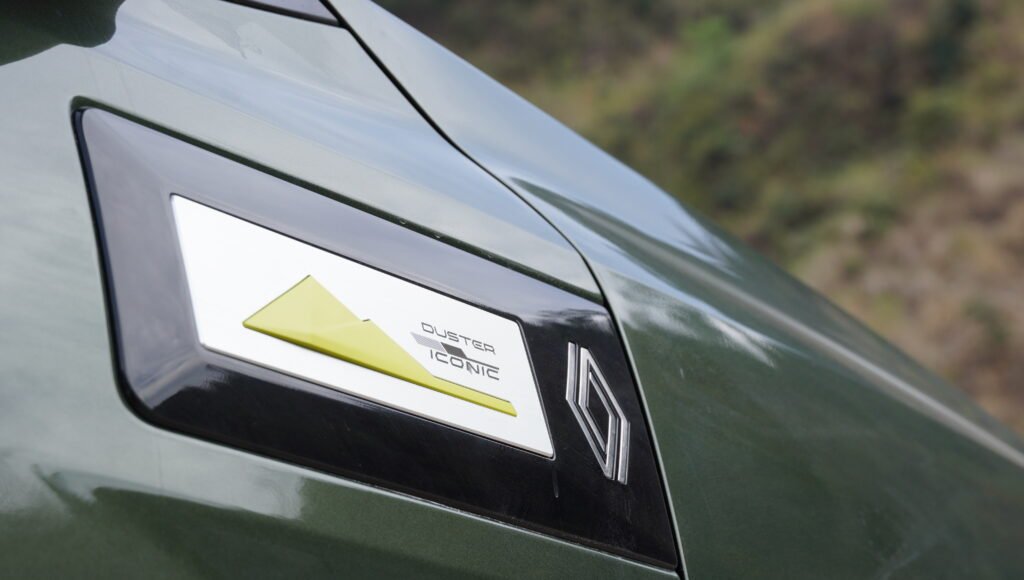
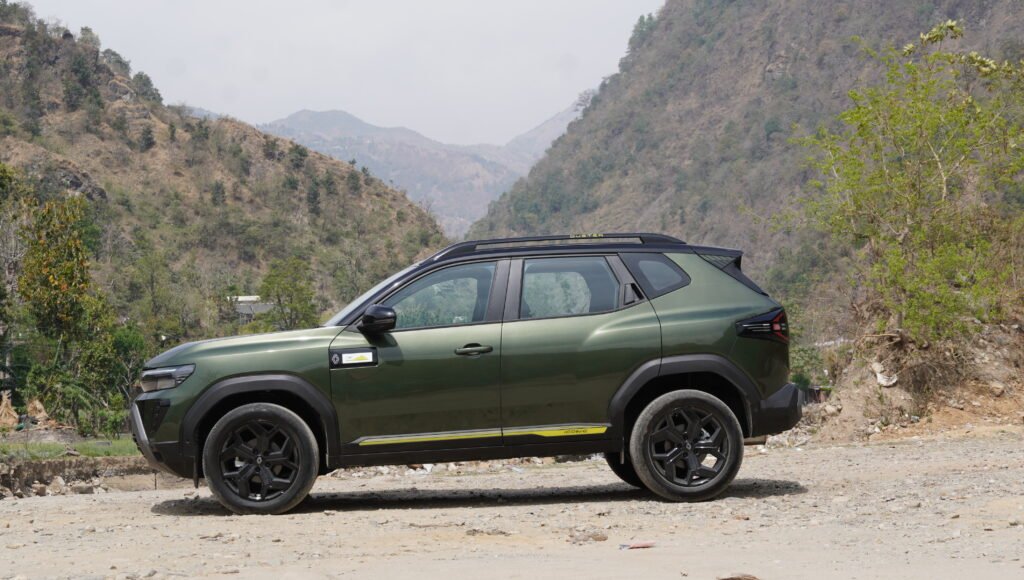
The Duster comes in five trims: Authentic, Evolution, Techno, Techno Plus, and Iconic. Prices start at Rs. 10.29 lakh and go up to Rs. 18.49 lakh ex-showroom. An Iconic Launch Edition sits above that with yellow accents and 18 inch adventure black alloys.
| Variant | Engine | Transmission | Ex-Showroom Price |
| Authentic | 1.0 Turbo Petrol | 6MT | Rs. 10.49 lakh |
| Evolution | 1.0 Turbo Petrol | 6MT | Rs. 12.49 lakh (approx) |
| Techno | 1.3 Turbo Petrol | 6MT / 6DCT | Rs. 14.49 lakh onwards |
| Techno Plus | 1.3 Turbo Petrol | 6MT / 6DCT | Rs. 16.49 lakh (approx) |
| Iconic | 1.3 Turbo Petrol | 6DCT | Rs. 18.49 lakh |
A strong hybrid arrives by Diwali 2026. It uses a 1.8 litre petrol hybrid setup producing 160 PS and 172 Nm, with a claimed 80 percent electric running in city conditions. Expected pricing is around Rs. 23 lakh on road.
Renault also offers a subscription programme with no down payment, bundling on-road costs and servicing into a single monthly fee. That is a genuinely different approach for this segment.
Dimensions
| Parameter | Measurement |
| Length | 4,346 mm |
| Width | 1,815 mm |
| Height | 1,701 mm |
| Wheelbase | 2,697 mm |
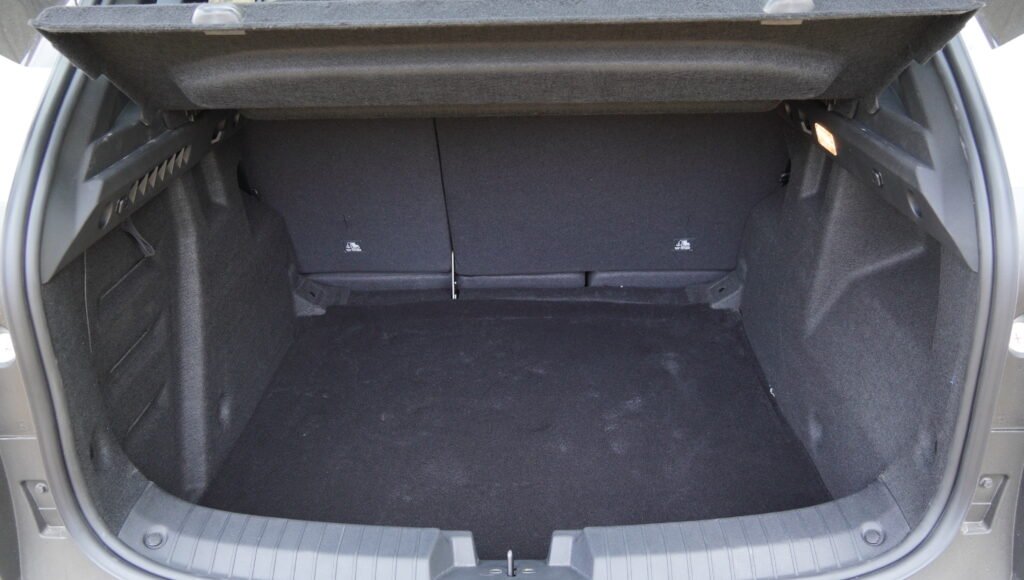
| Boot Space | 518 litres (to parcel shelf) / 700 litres (to roof) |
| Ground Clearance | 212 mm |
Exterior Design
The new Duster looks like a car that has had a proper conversation with itself about what it wants to be. It keeps the rugged upright SUV stance. However, it adds sharper detailing and several India specific touches that feel considered rather than just localised.
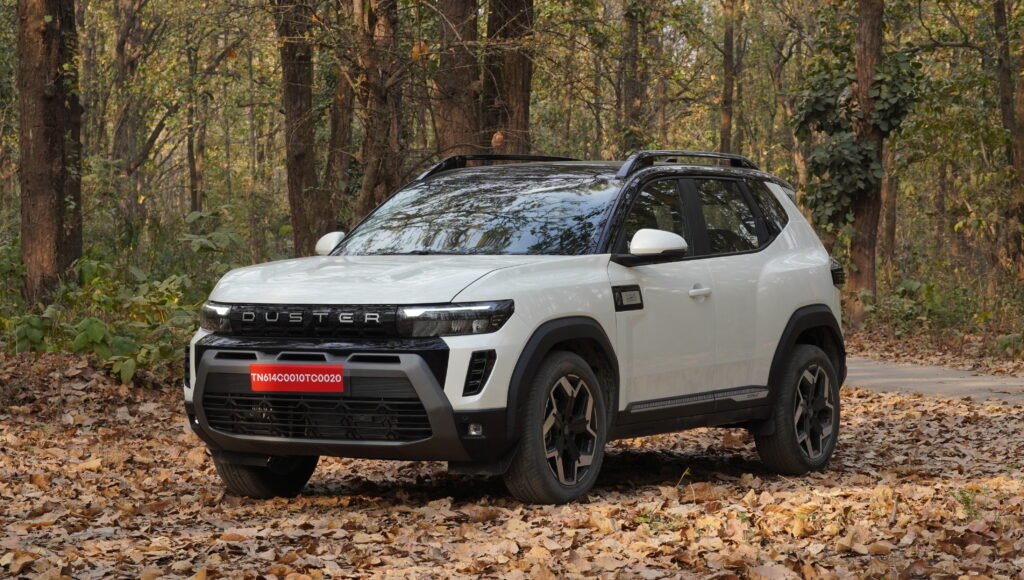
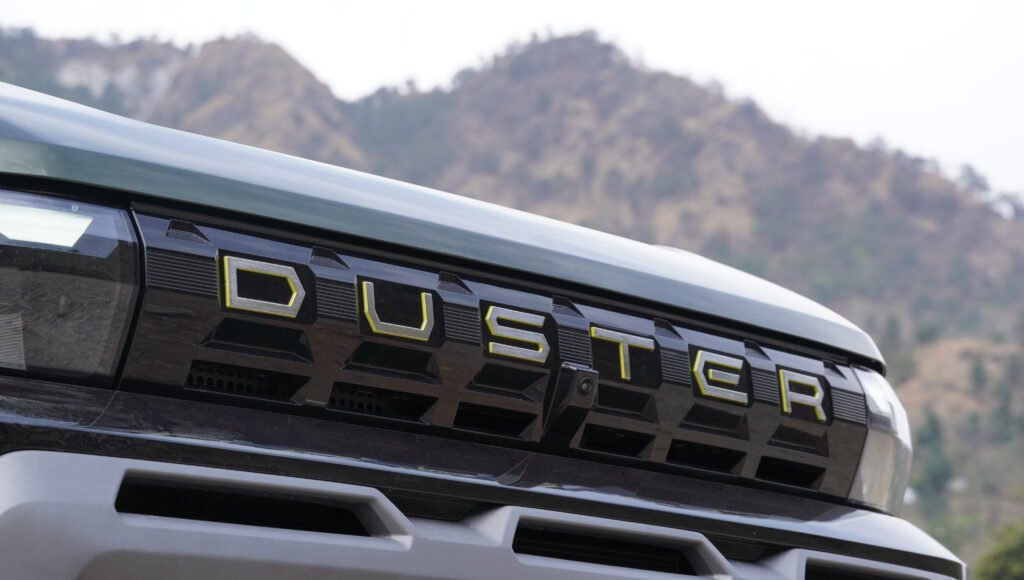
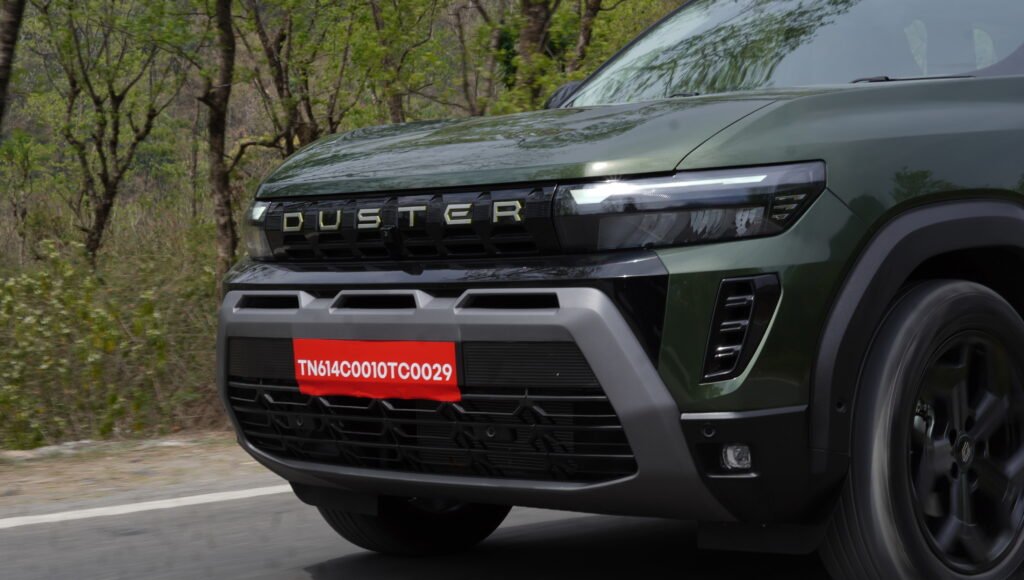
The front carries LED headlights with eyebrow shaped DRLs that double as turn indicators. The grille carries large Duster lettering instead of the Renault logo. That is a confident decision — it bets that the Duster name means more to Indian buyers than the brand badge does. Historically, that bet is accurate.
The 212 mm ground clearance, an approach angle of 26.9 degrees, and a departure angle of 34.7 degrees make the proportions functionally meaningful rather than just visual. On the sides, thick body cladding with chamfered detailing, square wheel arches, and functional roof rails with 50 kg load capacity add rugged character throughout. India specific design touches include a Himalayan motif on the fenders, which adds local identity without looking forced.
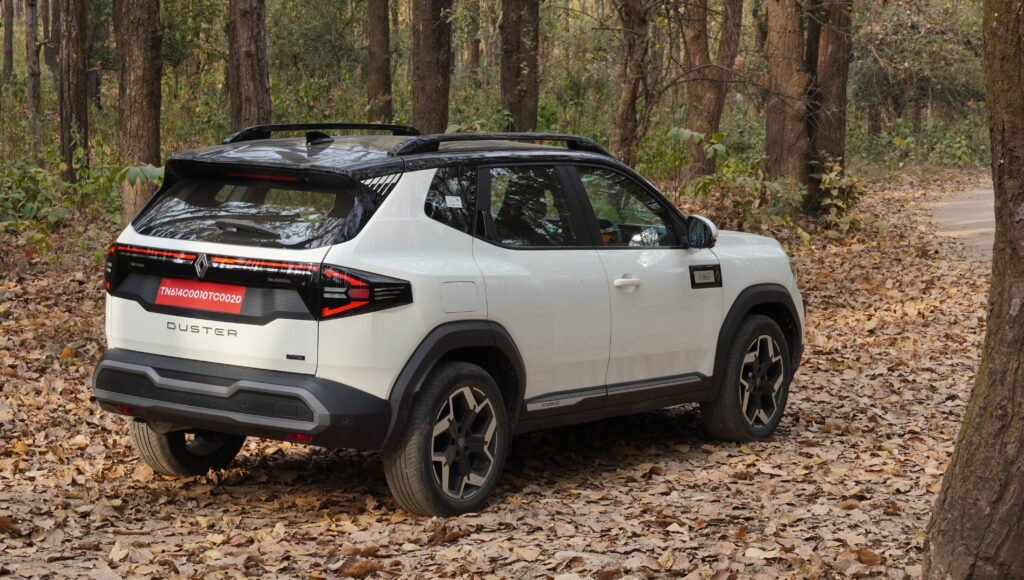
At the rear, triangular LED tail lamps are connected by a light bar. The electric tailgate lifts with a single touch. The rear is wide and clean, though the connected lamp has a slight break in the centre that interrupts an otherwise strong rear design.
Ten colour options are available, including dual tone combinations with a black roof. Mountain Jade Green with the black roof is the strongest looking pairing
Design Signature
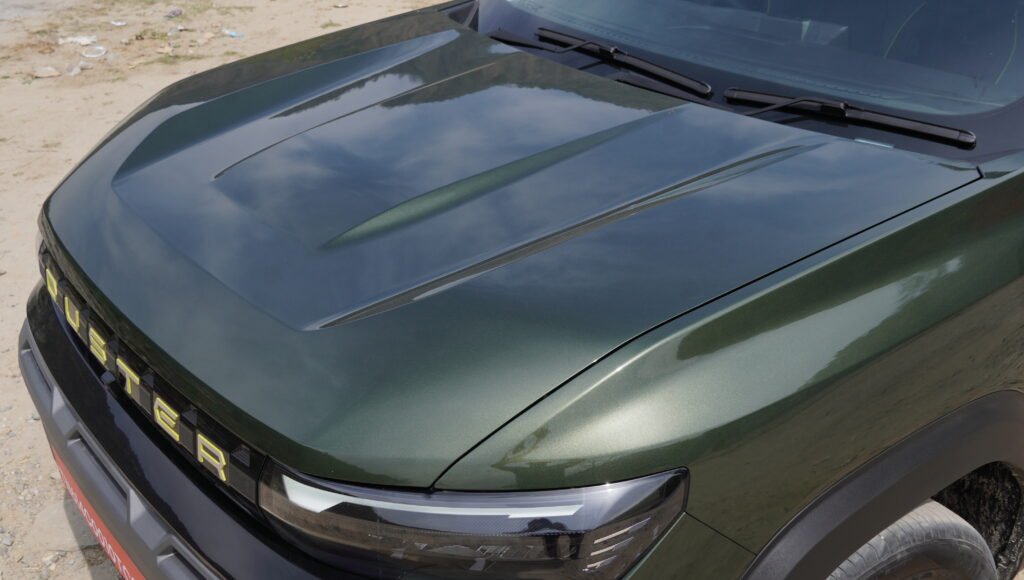
The most distinctive decision on the new Duster is the large Duster lettering across the front grille in place of the Renault badge. Most brands would never do this — badges carry marketing value. Renault chose to lead with the nameplate instead, betting on the Duster’s own equity. The eyebrow shaped DRLs frame this lettering with a light signature that is unmistakable at night. Together, they create a front face that knows exactly whose car this is
Interior & Cabin
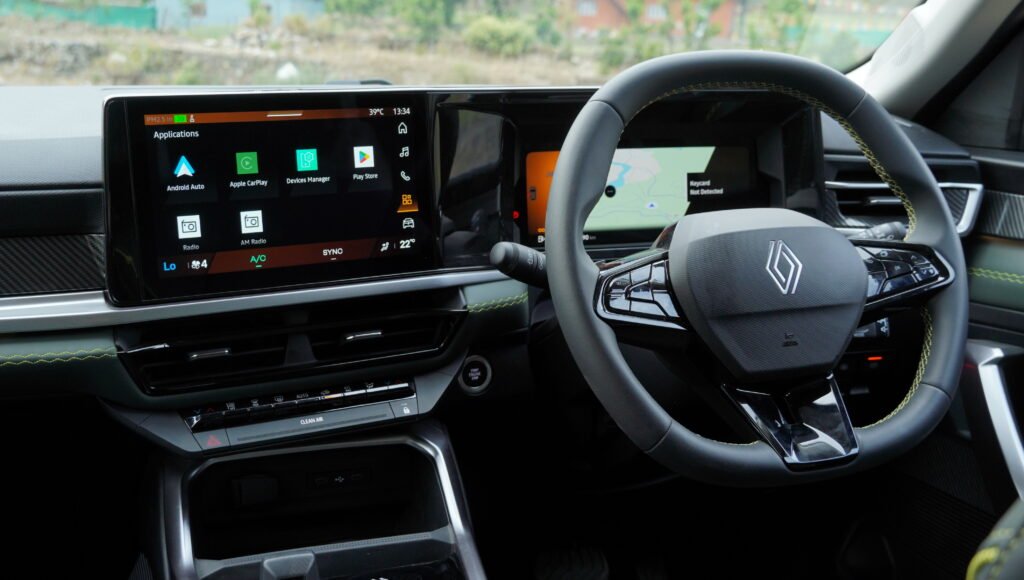
Step inside and the quality improvement over the old Duster is immediately clear.
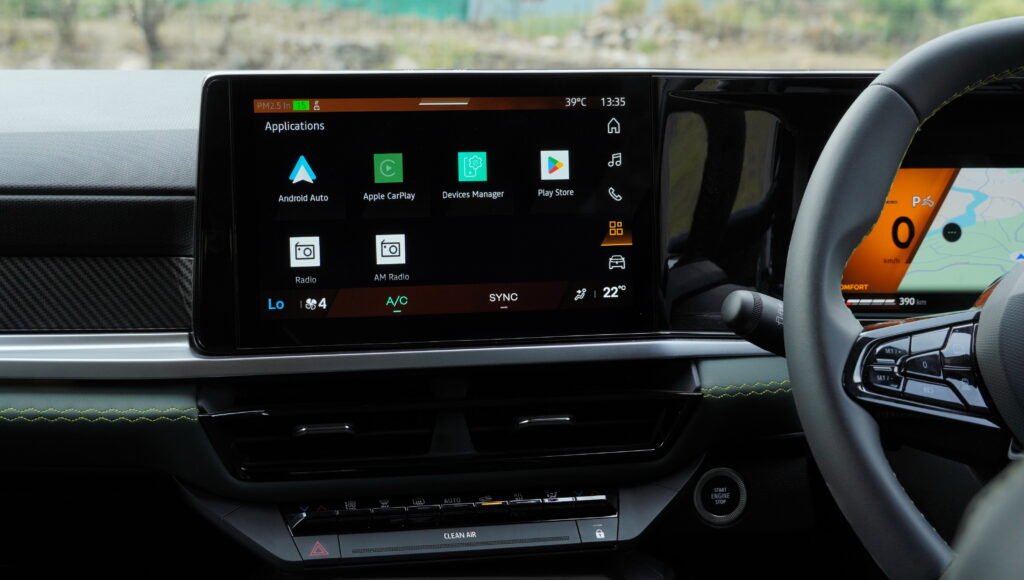
Soft touch materials on the doors, green contrast stitching throughout, and silver accents that add lightness without feeling cheap. The dual screen setup combines a 10.1 inch touchscreen with a 10.25 inch driver display. The infotainment runs on Google’s built in platform with real time navigation and Play Store access.
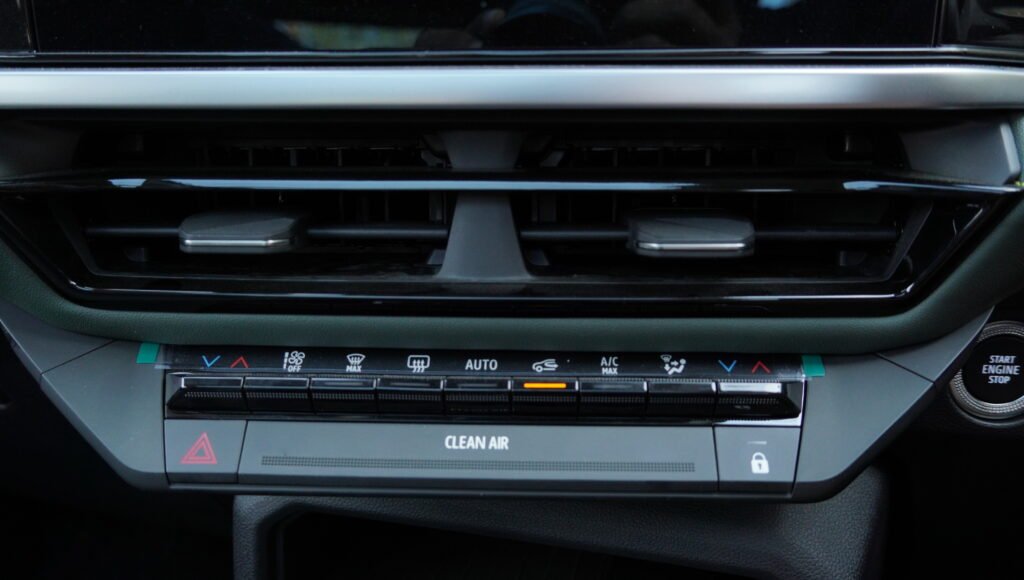
Physical AC controls sit alongside the touchscreen. That is the right call for daily usability. Dual zone automatic climate control, an AQI display with PM 2.5 filter, and a Qi2 wireless charger with a cooling vent above it are all standard on higher variants. The cooling vent detail is worth noting — it prevents the phone from heating up while charging, which is a genuinely thoughtful engineering call.
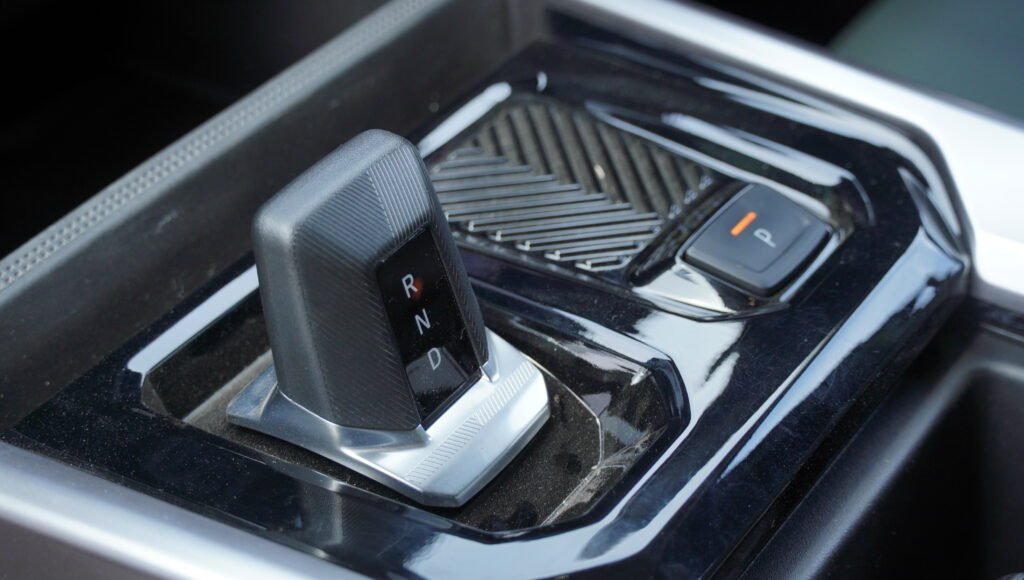
Storage is comprehensive throughout. Deep glovebox, cupholders front and rear, seat back pockets, a device slot in the rear armrest, and USB Type C ports for all passengers. The D cut steering wheel with paddle shifters on DCT variants adds a premium quality to the driver experience.
Rear Seat
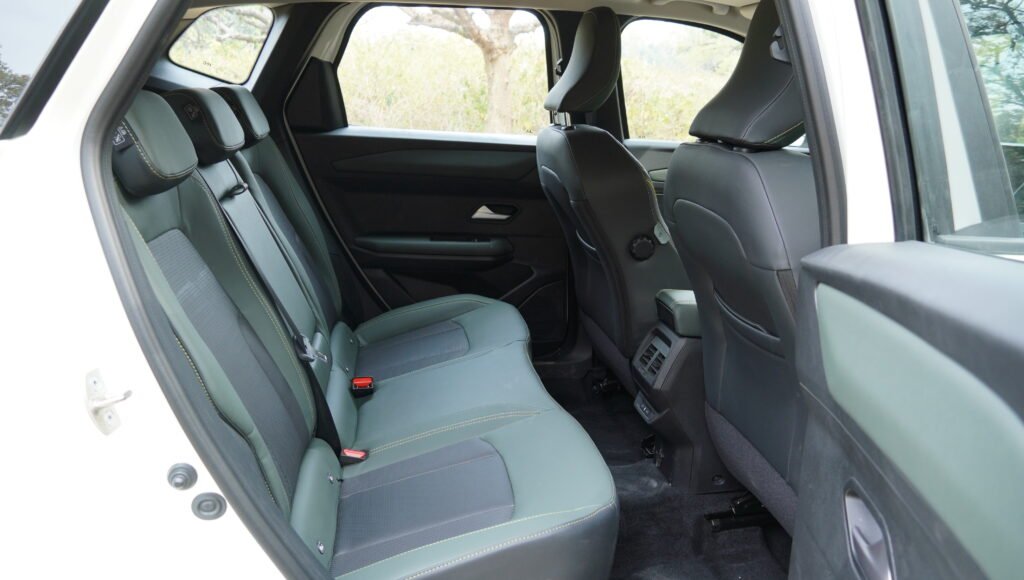
Legroom is generous for two adults. Headroom is ample even with the panoramic sunroof overhead. The rear armrest has cupholders, phone holders, and a magazine pocket.
However, foot space is slightly tight due to packaging, and the floor hump is large. As a result, three adults across the back will feel cramped on longer journeys. For two adults and a child, the space works well. All three rear seats get adjustable headrests, and the 60:40 split fold expands the boot when needed.
Features That Actually Matter
The 360 degree camera with multiple front parking sensors is genuinely useful at this size. Parking a 4.3 metre SUV in city conditions without anxiety requires all round visibility, and the Duster provides it.
The Level 2 ADAS suite with 17 systems is the most significant tech addition. Adaptive cruise control, lane keep assist, and automatic emergency braking all work reliably on highways. For a Renault product in India, this marks a clear step forward.
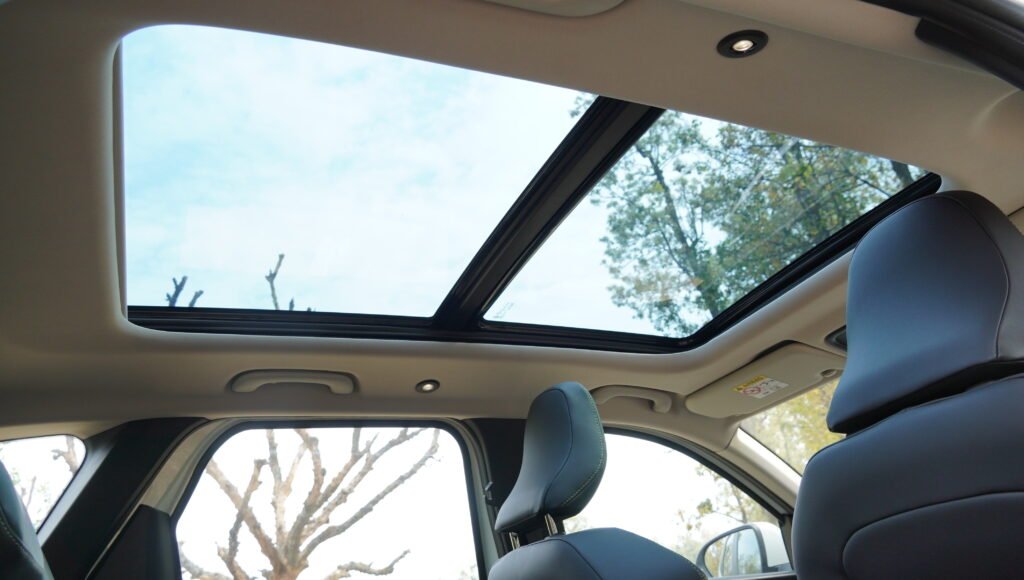
The electric panoramic sunroof opens with a single touch. The smart card key fob that activates the horn and lights to help locate the car in a crowded parking lot earns its place in real use. The hydraulic bonnet struts are a small premium detail that becomes the expected standard once you have used them.
Safety
The 2026 Renault Duster received a 5 star Bharat NCAP rating in April 2026 for both adult and child occupant protection. That is a strong and important credential for a car entering this competitive segment.
Standard safety across all variants includes 6 airbags, ABS with EBD, front and rear disc brakes, electronic stability control, traction control, and electronic parking brake with auto hold. Higher variants add the full Level 2 ADAS suite and 360 degree camera.
Renault also backs the Duster with a 7 year or 1,50,000 km warranty, one of the strongest ownership assurances in the segment.
Engine & Transmission
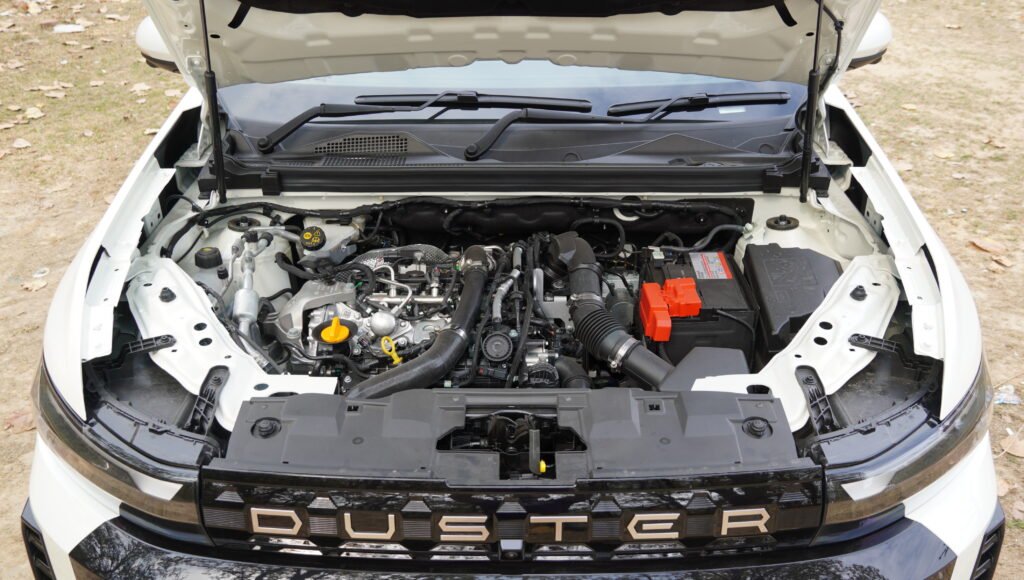
1.0 Litre Turbo Petrol
The entry engine produces 100 PS and 160 Nm, paired with a 6 speed manual only. It is smooth and city friendly in character. Below 2,000 rpm, turbo lag is noticeable. Above 2,500 rpm, it pulls linearly and handles urban overtaking without stress. For highway buyers, the 1.3 litre is the right call.
1.3 Litre Turbo Petrol
The TCe 160 produces 163 PS and 280 Nm, making it the most powerful engine in its segment. It is available with a 6 speed manual or a 6 speed DCT automatic.
The 280 Nm arrives across a wide and usable rev range, which means highway overtaking is genuinely effortless. The DCT pairs better for city use — shifts are fast and smooth. The manual is more engaging but requires more attention in stop and go traffic.
ARAI claimed mileage is 17.75 kmpl for the manual and 18.45 kmpl for the DCT. Real world figures are expected around 12 to 14 kmpl in city conditions and 16 to 18 kmpl on highways.
Strong Hybrid — Diwali 2026
The hybrid combines a 109 PS petrol engine with electric motor assistance for a total of 160 PS and 172 Nm. It promises 80 percent electric city running. Buyers interested specifically in the hybrid should wait for the Diwali 2026 launch before making a decision.
Driving Dynamics & Braking
The Duster drives with the relaxed confidence of a proper midsize SUV.
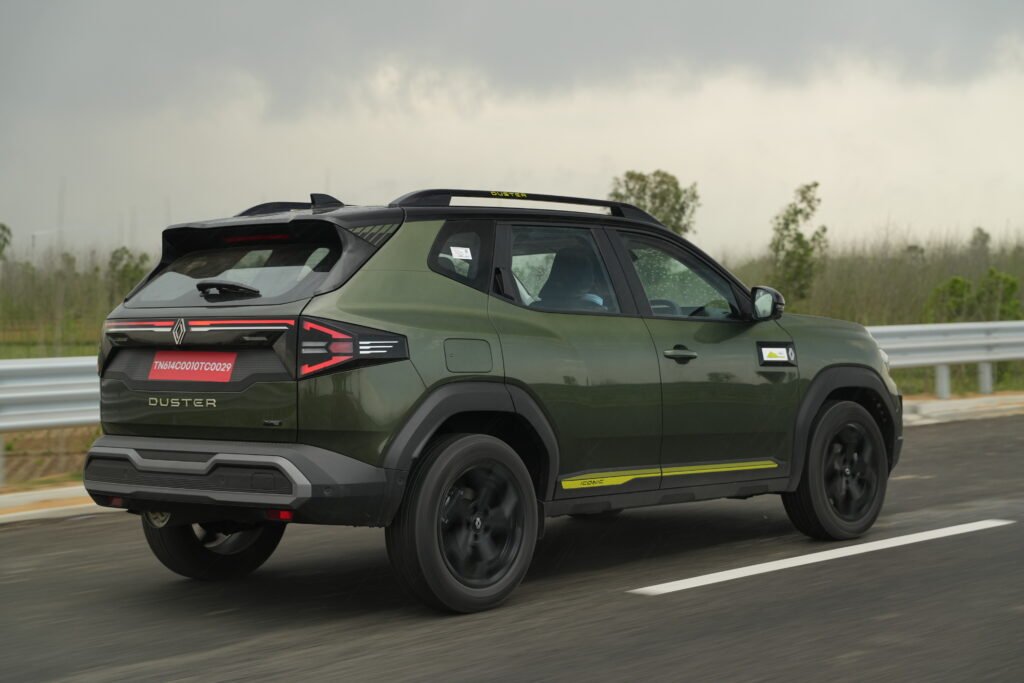
Steering is well calibrated — light enough at low speeds for easy parking, gaining appropriate weight on highways. Front and rear disc brakes deliver confident, progressive stopping power with consistent pedal feel.
The ADAS systems are non intrusive and well calibrated. Lane keep assist corrects gently. Adaptive cruise control holds gaps smoothly. After a short adjustment period, these systems blend naturally into how you drive.
Body roll is present during sharp lane changes but is predictable and progressive. The Duster rewards a calm and confident driving style rather than an aggressive one.
Ride & Handling
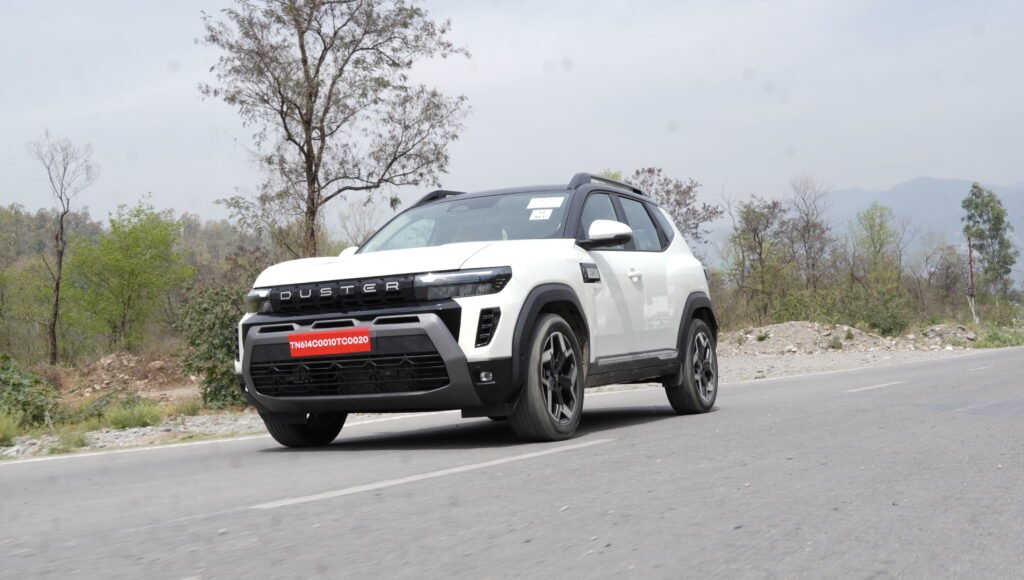
This is where the Duster makes its strongest argument.
The suspension absorbs bad roads, broken patches, and speed breakers with a composure that feels effortless. The 212 mm of ground clearance adds further confidence on uneven urban surfaces. This is one of the best riding cars in the midsize SUV segment, full stop.
On the highway, the Duster settles into a smooth and planted rhythm. Wind noise is well managed. Stability at speed is good. The wheel well insulation helps noticeably with cabin refinement.
This is not a car for spirited cornering. It is a car for confident, comfortable progress across the full range of Indian road conditions. At that job, it excels.
Value for Money
The Authentic is an entry point rather than a recommendation. It carries the platform and safety credentials but misses the features that define the ownership experience.
The Techno is the sweet spot. At approximately Rs. 14.49 lakh for the manual, it brings the 1.3 litre engine, dual screens, panoramic sunroof, ventilated seats, and the ADAS suite. That is genuine value.
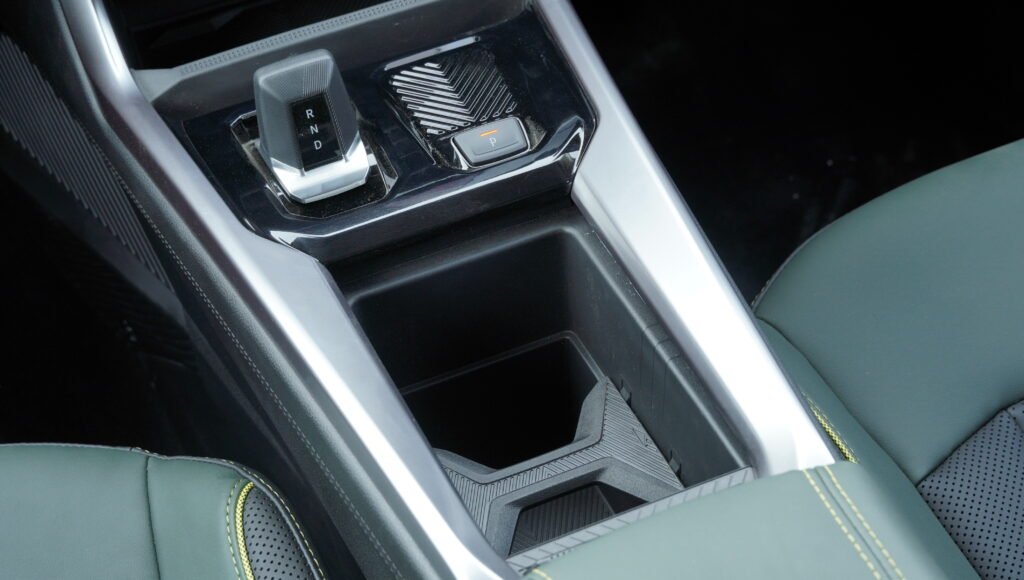
The Iconic DCT at Rs. 18.49 lakh is the complete Duster. At that price, it competes directly with the Creta, Seltos, and Tata Sierra. The Duster holds its own strongly on ride quality, engine performance, ground clearance, and boot space.
Pros & Cons
Pros
- 5 star Bharat NCAP rating from April 2026
- 163 PS and 280 Nm from the 1.3 litre, most powerful engine in the segment
- 700 litre boot is class leading
- 212 mm ground clearance with strong approach and departure angles
- Ride quality is among the best in the midsize segment
- 7 year or 1,50,000 km warranty
- Level 2 ADAS with 17 systems works reliably in real world conditions
- Qi2 wireless charger with cooling vent is a genuinely thoughtful detail
- 10 colour options including dual tone combinations
Cons
- No AWD at launch, front wheel drive only across all current variants
- 1.0 litre engine has noticeable turbo lag below 2,000 rpm
- Rear seat foot space is slightly tight
- Middle rear seat uncomfortable for adults on longer journeys
- Puncture repair kit instead of a spare wheel
- Slight break in the connected rear tail lamp disrupts an otherwise strong rear design
Verdict
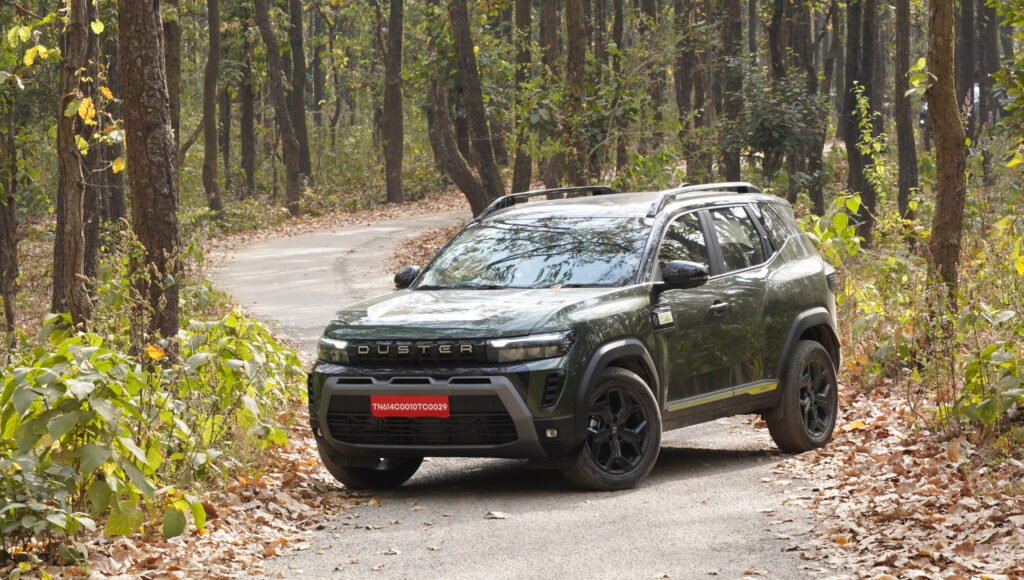
The 2026 Renault Duster did not just return. It came back with a point to prove.
The original earned its reputation through ride quality, ruggedness, and value. The new one keeps all three and adds what the original lacked — modern design, a premium cabin, strong engines, ADAS, and a 5 star NCAP rating.
The buyer who gets the most from the Duster is the one who values ride quality and ground clearance above all else, drives a mix of city and highway, and wants a car that handles Indian roads without complaint. The 700 litre boot makes it one of the most practical choices in the segment. The 7 year warranty removes long term uncertainty.
Buy the Techno if the budget matters. Buy the Iconic DCT for the complete car. Wait for the hybrid if efficiency is the priority.
The Duster is back. And honestly, it was missed.
