

Introduction
There is a very specific kind of buyer who has been waiting for this car for a long time.
They walked into a Tata showroom, fell in love with the Harrier’s face, sat inside, liked what they felt, asked the sales executive about petrol options, and were told there are none. And then they walked out and bought something else. It happened for years. The Harrier was a diesel only car in a market where a significant portion of urban buyers, especially in cities like Delhi, Ahmedabad, and the rest of NCR and Gujarat, either could not run diesel or simply did not want to.
Tata Motors knew this. And in January 2026, they finally did something about it.
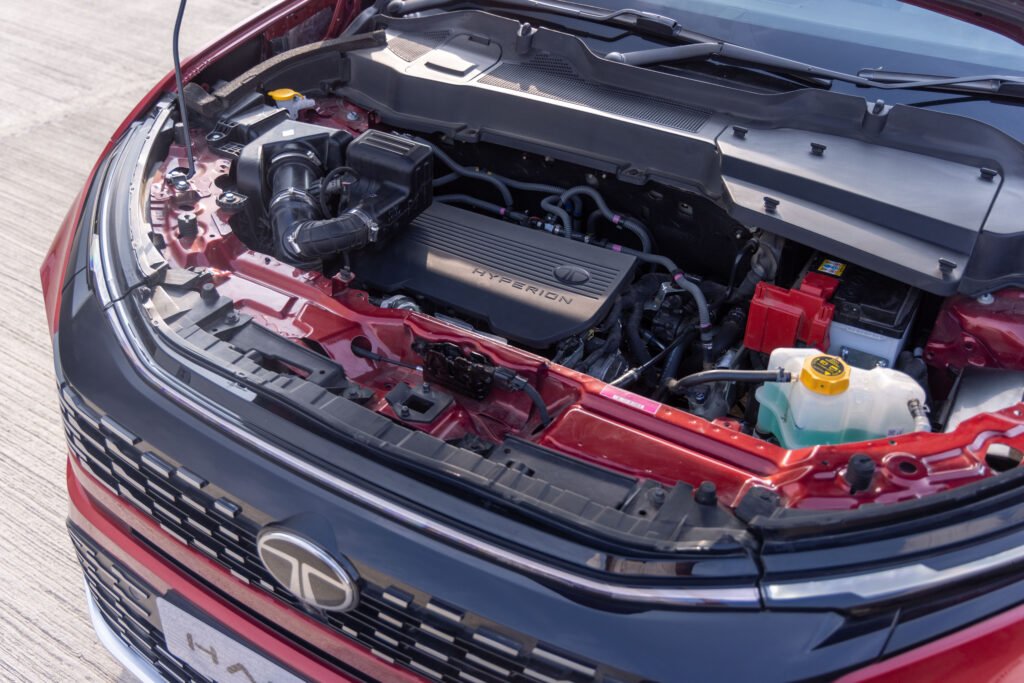
The Harrier Petrol Automatic is powered by Tata’s 1.5 litre Hyperion turbo petrol engine, the same family that does duty in the Sierra, but tuned to a higher output specifically for the Harrier. It is paired with a 6 speed torque converter automatic. And it comes with a set of feature upgrades that make the overall package feel like a meaningful step forward rather than just an engine swap.
This is not just a new powertrain. For a large part of the Indian market, this is the Harrier finally becoming a car they can actually consider.
Pricing & Variants
The Harrier is offered across seven broad trims: Smart, Pure X, Adventure X, Adventure X Plus, Fearless X, Fearless X Plus, and Fearless Ultra. All trims are available in both petrol and diesel engine options, each with manual and automatic transmission choices.
The petrol automatic sits in the upper half of the range. Petrol pricing runs from Rs. 12.89 lakh for the base Smart manual up to Rs. 24.69 lakh for the top spec Fearless X Plus petrol automatic, with the full Harrier range extending to Rs. 25.35 lakh for the Stealth diesel automatic edition.
Key petrol automatic variants and their approximate ex-showroom prices as of May 2026:
| Variant | Engine | Transmission | Ex-Showroom Price |
| Smart | 1.5 Petrol | 6MT | Rs. 12.89 lakh |
| Pure X | 1.5 Petrol | 6AT | Rs. 17.53 lakh (approx) |
| Adventure X | 1.5 Petrol | 6AT | Rs. 19.50 lakh (approx) |
| Adventure X Plus | 1.5 Petrol | 6AT | Rs. 21.00 lakh (approx) |
| Fearless X | 1.5 Petrol | 6AT | Rs. 22.50 lakh (approx) |
| Fearless X Plus | 1.5 Petrol | 6AT | Rs. 24.69 lakh (approx) |
The petrol variants are priced approximately Rs. 1 to 1.5 lakh lesser than equivalent diesel trims, which makes the switch a relatively straightforward financial decision for buyers who were diesel hesitant.
Dimensions
| Parameter | Measurement |
| Length | 4,605 mm |
| Width | 1,922 mm |
| Height | 1,718 mm |
| Wheelbase | 2,741 mm |
| Ground Clearance | 205 mm |
| Tyre Size | 235/65 R17 (base) / 245/55 R19 (top variants) |
Exterior Design and New Color Option
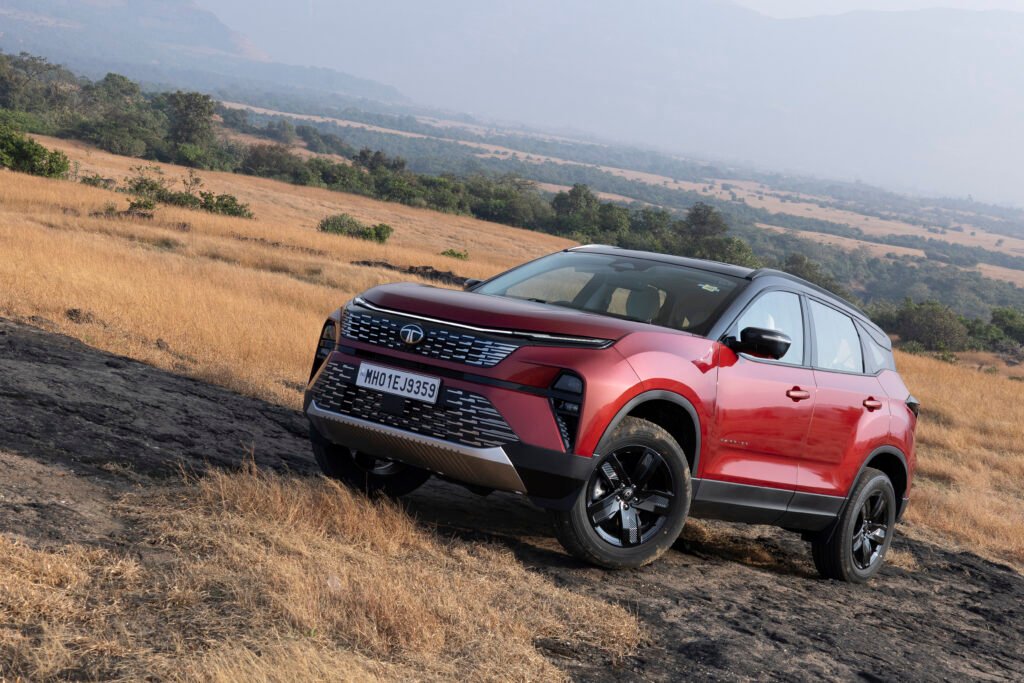
The Harrier’s design has always been its strongest argument, and nothing about the petrol update changes that.
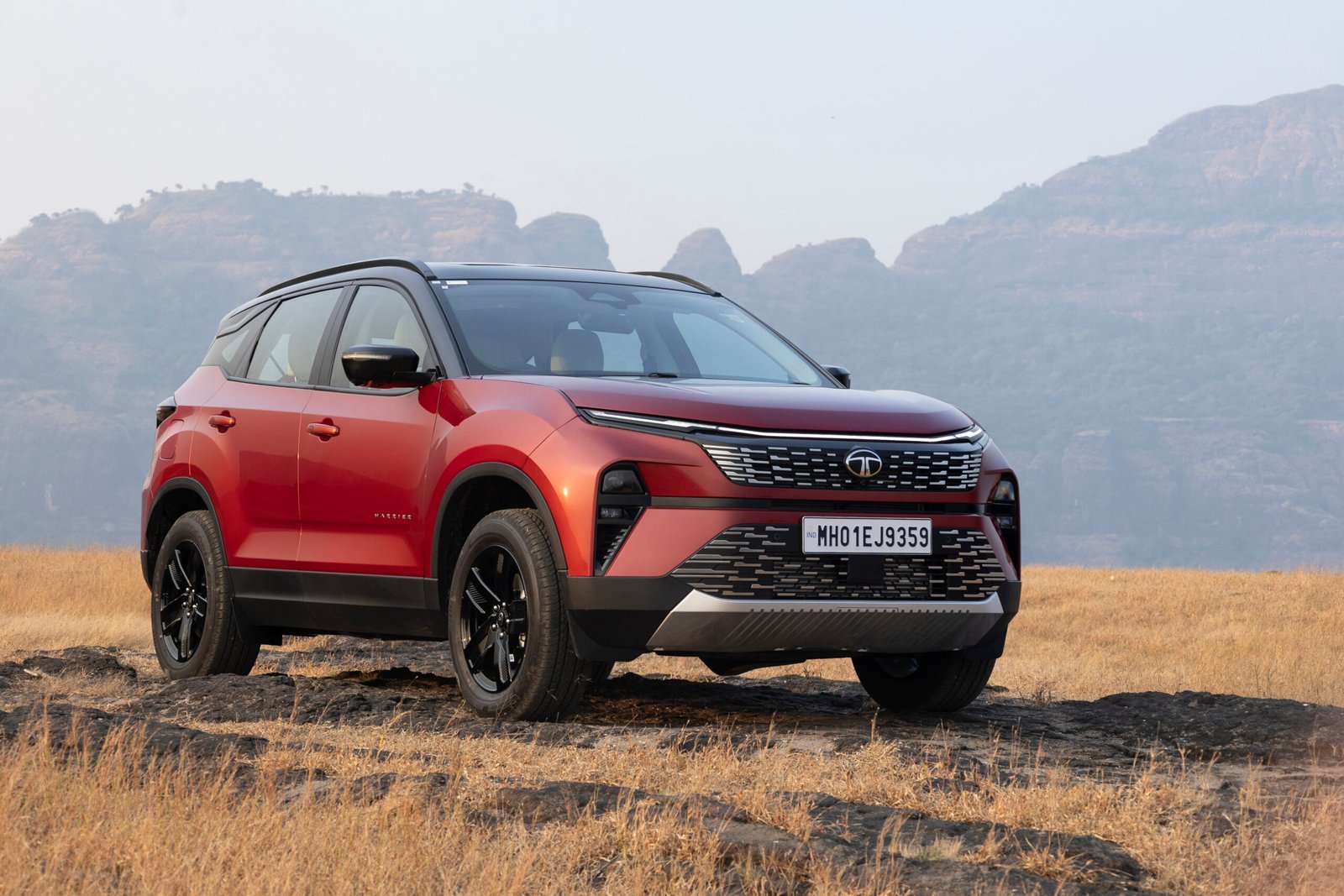
What Tata has done with the exterior for this update is add rather than alter. The fundamental shape, the long bonnet, the wide haunches, the coupe inspired roofline with the sharp drop at the rear, remains untouched. And it should, because it still works. The Harrier’s Land Rover D8 platform heritage shows in how the proportions are resolved. This is a car that looks planted and purposeful even standing still.
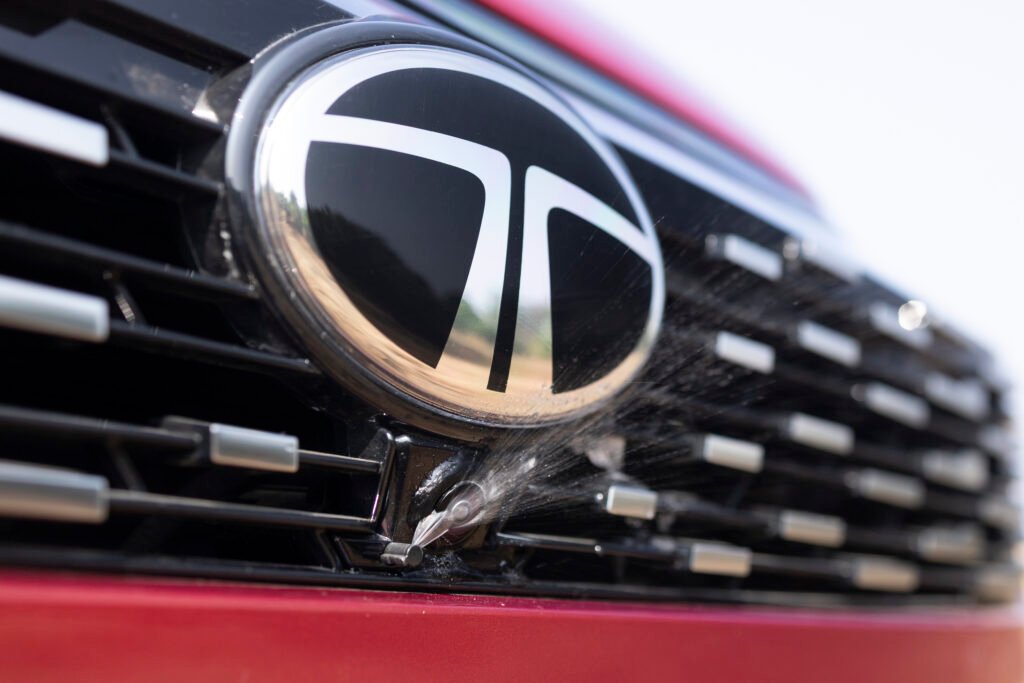
The additions are subtle but meaningful. Camera washers on the front and rear are the kind of practical thinking that is easy to overlook until you have driven through a monsoon and found your reverse camera still showing a clean picture. A camera integrated into the shark fin antenna improves the electronic IRVM’s clarity, particularly on highways.
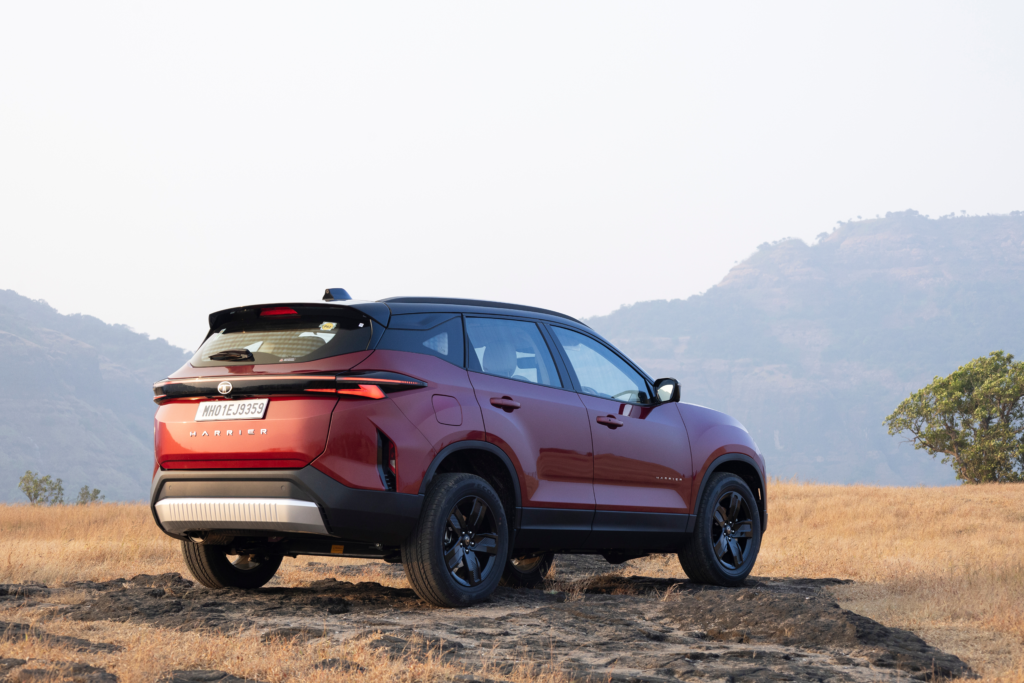
The new Nitro Crimson colour deserves a mention. On most cars, red reads as sporty or aggressive. On the Harrier, the deep metallic crimson reads as premium, more flagship sedan than hot hatch. It shifts the Harrier’s personality toward the lifestyle end of the spectrum without losing any of its presence. Paired with the R18 Lunar Graphite alloy wheels on higher variants, it is one of the better looking colour and wheel combinations in this segment right now.
Roof rails and the 19 inch wheels on the Fearless variants round out an exterior that still feels like the design team had something specific in mind when they drew it, which is rarer than it should be in this segment.
Design Signature
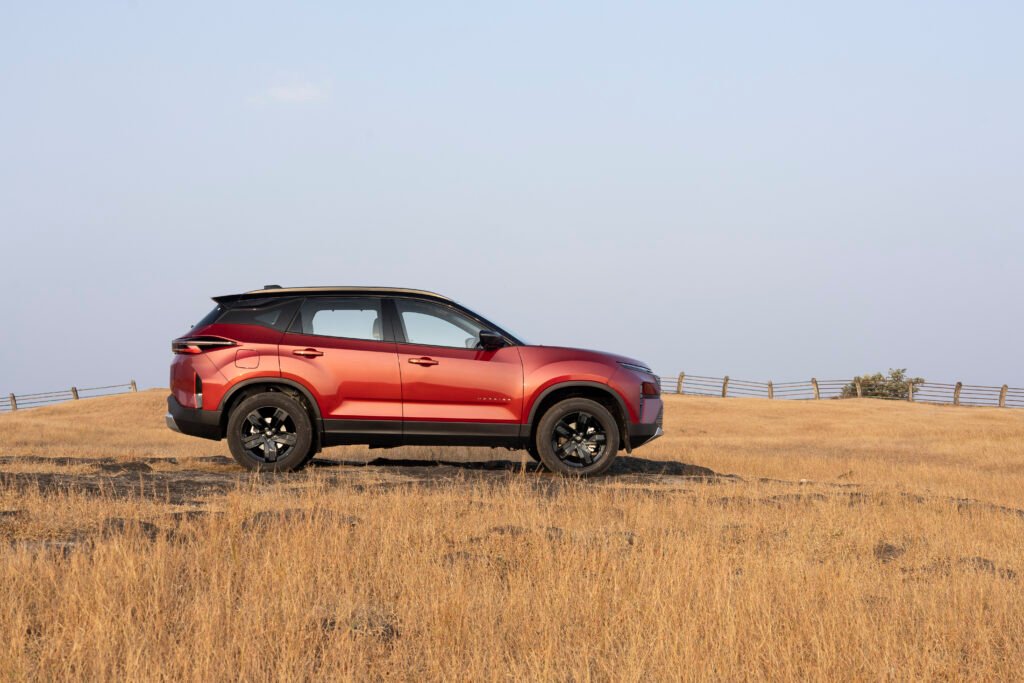
The Harrier’s most distinctive design decision is the relationship between the glasshouse and the body, specifically the way the roofline sweeps downward toward the rear in a single unbroken arc from the A pillar to the tail. In a segment full of boxy upright silhouettes that prioritise headroom, the Harrier chose stance over maximised space.
That choice gives it a visual tension that most SUVs in this price bracket do not have. The connected LED tail lamp with its sequential turn indicator and the welcome and goodbye animation extends this identity into motion and behaviour, turning something as mundane as locking the car into a moment of personality. Most cars in this segment simply do not have that.
Interior & Cabin
The petrol update brought with it a set of interior upgrades that feel like they were waiting to be added. The centrepiece is the new 14.5 inch OLED infotainment display, not just a size increase but a quality upgrade. OLED means better black levels, better contrast, and a screen that looks genuinely premium rather than just large. It is the kind of change you notice every time you sit down.
The new Oyster White and Titan Brown interior theme with the dual tone Titan Wood dashboard is a significant departure from the darker interiors the Harrier has typically offered. The ivory tones make the cabin feel considerably more open and airy, which matters in a five seater where the rear passengers sit relatively close to each other. It is a more lifestyle forward cabin direction, and it works.
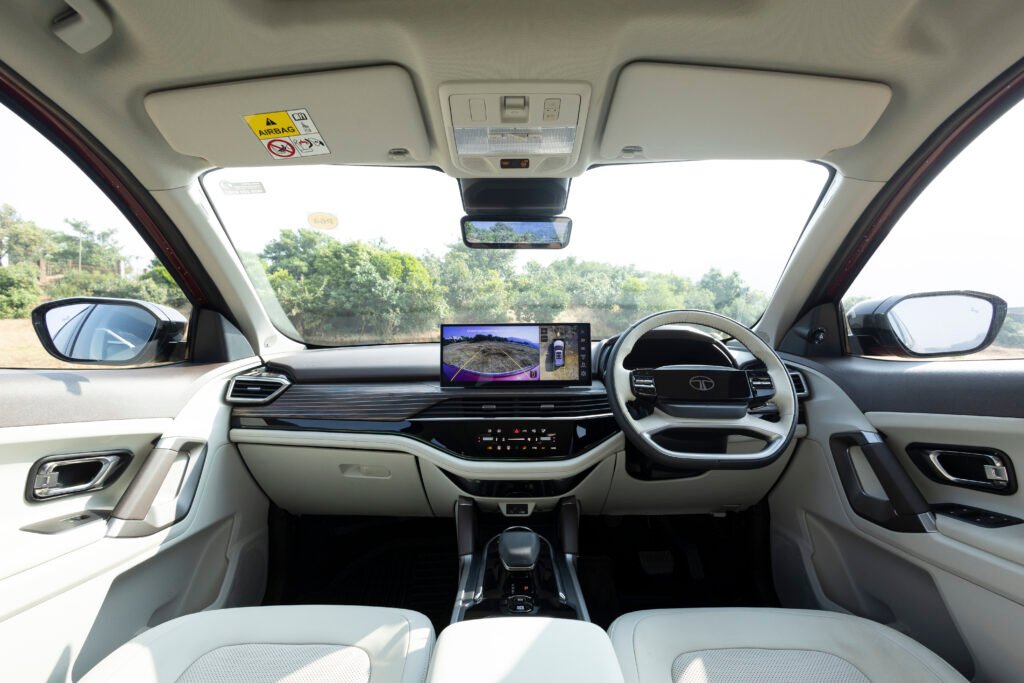
Dolby Atmos support on the 10 speaker JBL sound system is the other headline addition. The spatial audio effect is genuinely different from standard stereo output. Instruments and vocals feel separated in three dimensional space rather than just spread left to right. For anyone who spends significant time in their car, this is a feature that changes the daily experience rather than just ticking a box.
The IRVM now integrates dashcam functionality, recording both front and rear simultaneously. This removes the need for a separate dashcam installation and means the footage is accessible through the infotainment system, a well integrated solution that feels properly thought through.
The ORVMs with memory function automatically adjust with drive mode changes and during reverse parking. It sounds like a small thing until you have switched from Normal to Sport mode and had to manually readjust the mirror angle every time. Once you have the memory function, going back feels like a regression.
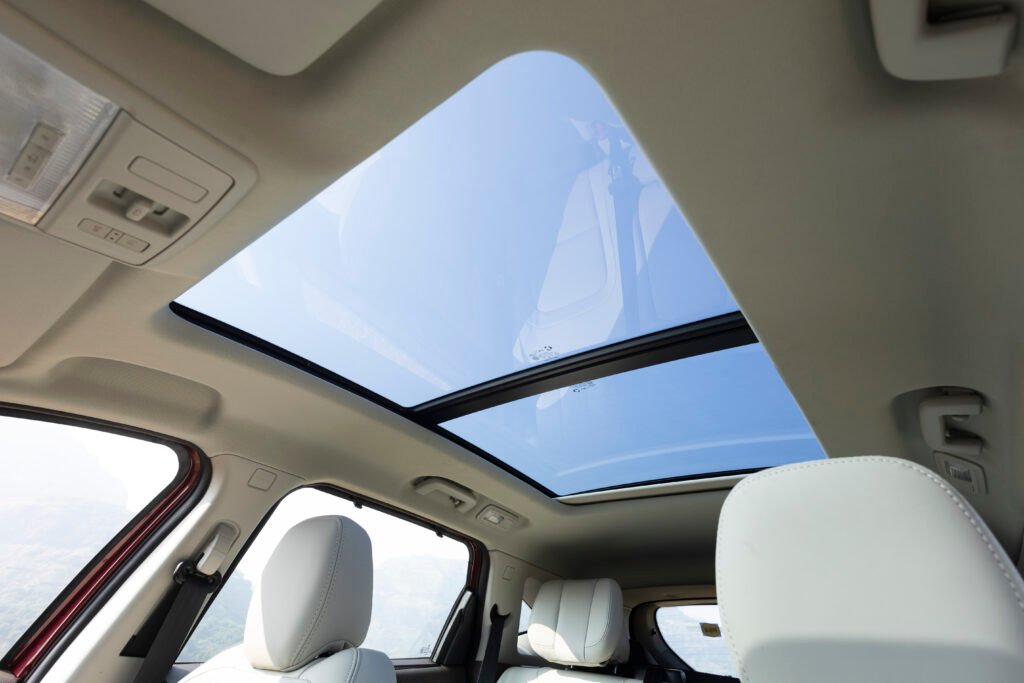
Ventilated and powered front seats, dual zone auto climate control, panoramic sunroof with voice assist, wireless charging, multi colour ambient lighting, and a powered tailgate round out a cabin that at the Fearless X variants genuinely feels like it justifies the price.
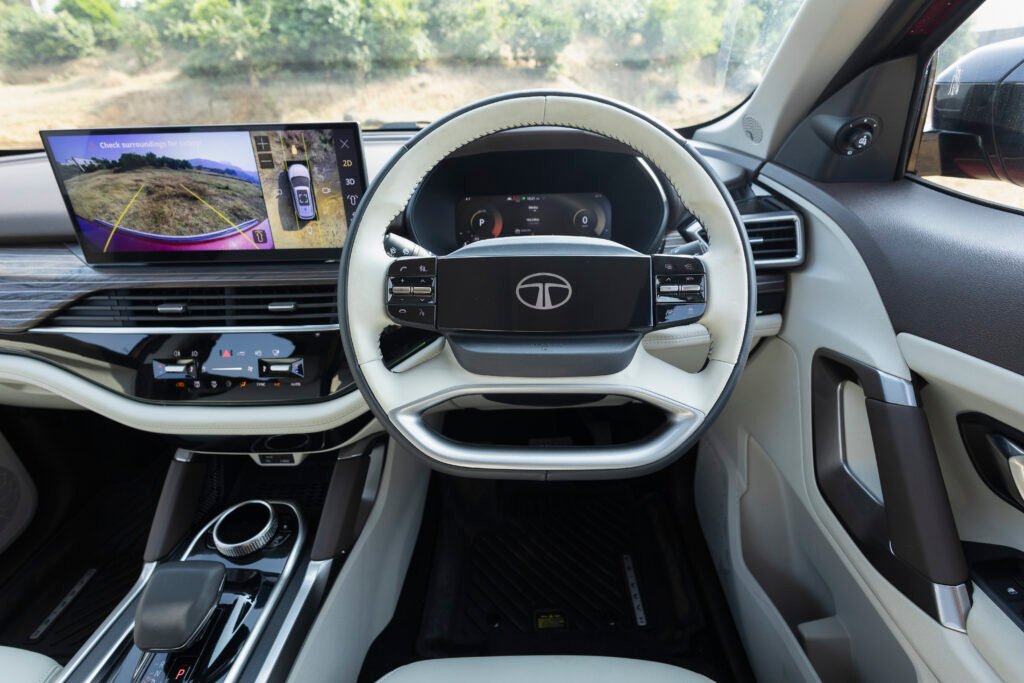
Fit and finish is consistent and solid throughout. Material quality at touch points is good. The dashboard layout is clean without being sparse, and the hidden until lit command centre for key controls is one of those HMI details that is genuinely thoughtful. It keeps the fascia uncluttered while still making functions accessible when you need them.
Rear Seat
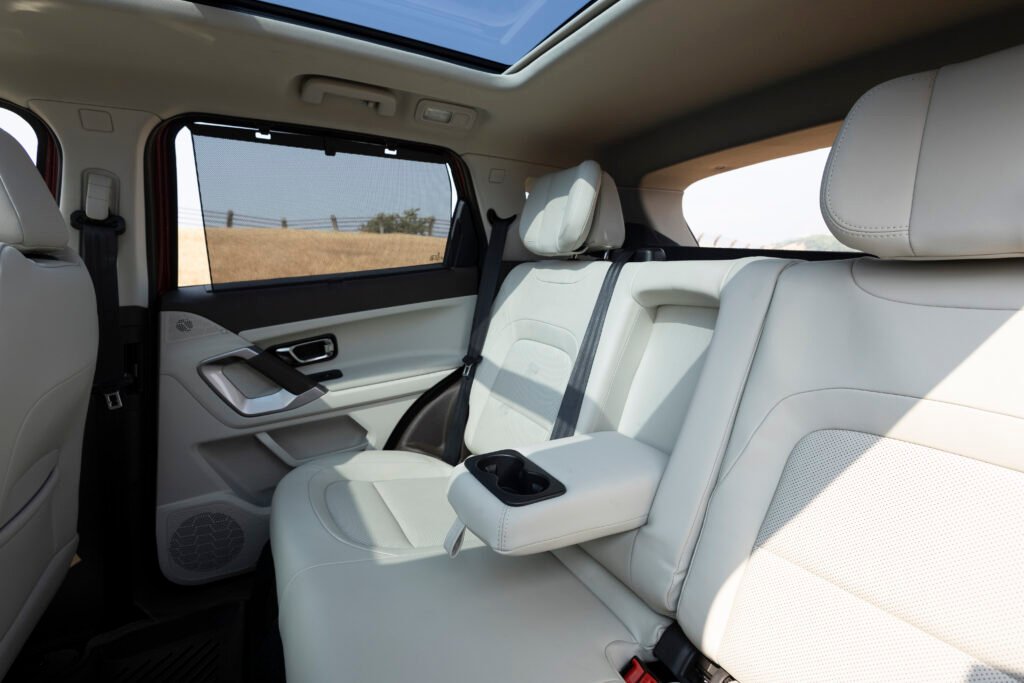
The Harrier has always been a strong rear seat car, and the petrol update does not change that equation. It just makes the overall ambience of the rear cabin better through the lighter interior theme.
Space is generous. Legroom, headroom, and under thigh support are all well calibrated for adult passengers on long drives. The Harrier’s wheelbase of 2,741 mm gives the rear bench room to breathe, and the seating posture is natural rather than forcing passengers into an elevated, knees up position.
The lighter interior theme, Oyster White with Titan Brown accents, makes the rear feel more open than it does with darker trims. On a car that is frequently used for family highway travel, this matters more than it might seem. A cabin that feels airy reduces the psychological sense of confinement on long journeys.
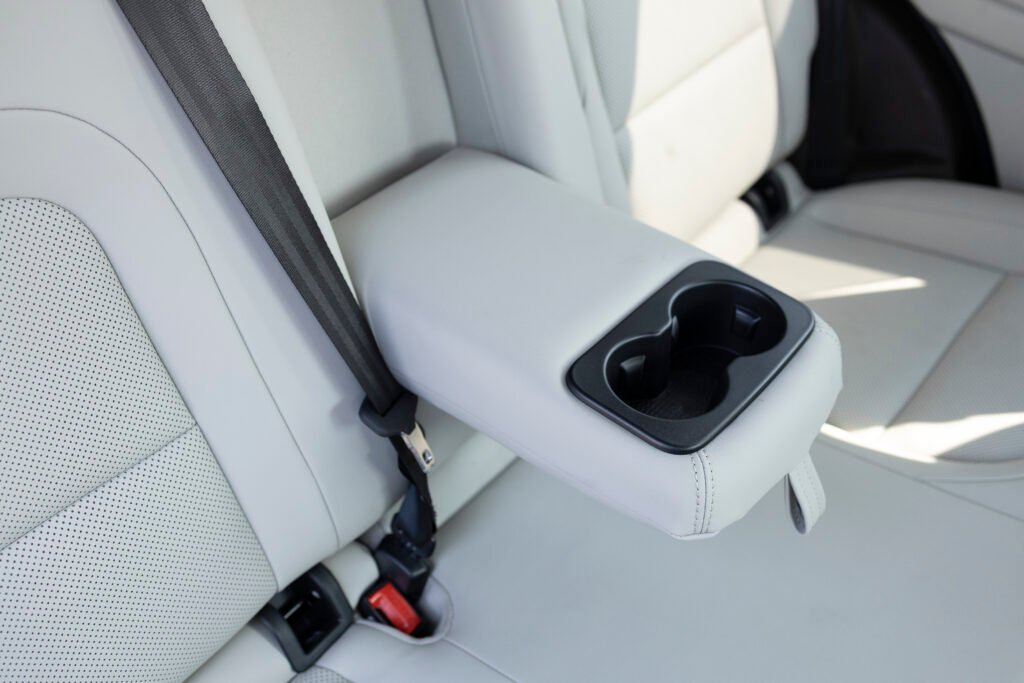
Ingress and egress are good for a car of this size. The door apertures are wide and the floor height is not so elevated that getting in and out requires effort. For families with elderly members, this is relevant and appreciated in daily use.
The rear AC vents are effective, and the panoramic sunroof brings additional light and openness to both rows.
Features That Actually Matter
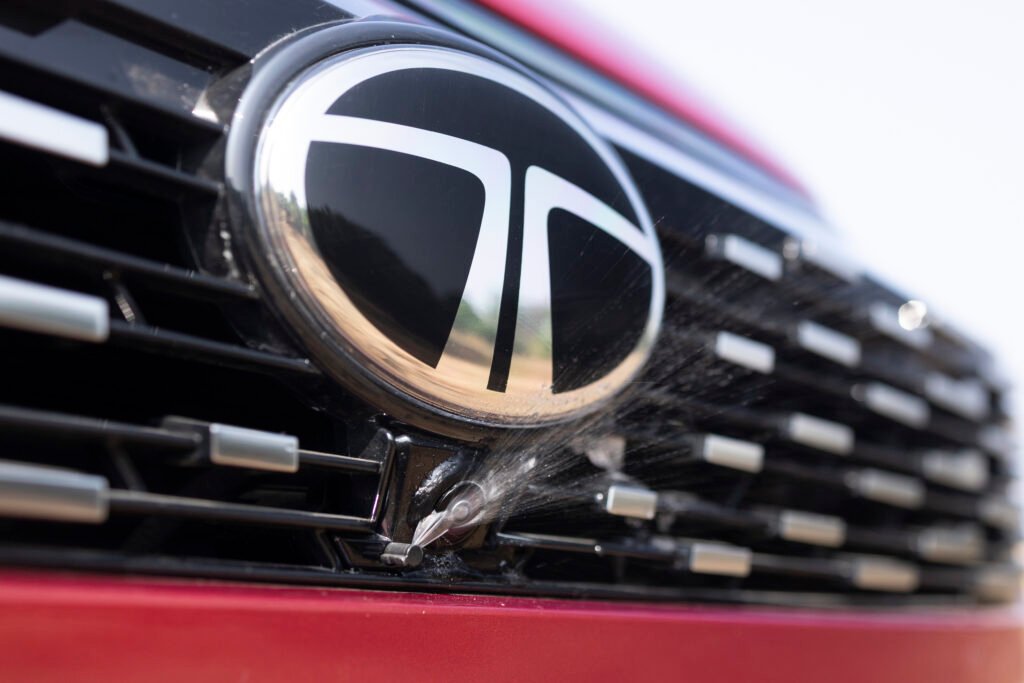
The camera washers are the most practically useful addition in this update and deserve more attention than they typically get. A front camera that stays clean through rain and road spray is directly relevant to driving safely in Indian monsoon conditions. A rear camera that shows a clear image during a parking manoeuvre in a muddy colony lane is a daily quality of life improvement. This is thoughtful engineering that solves a real problem
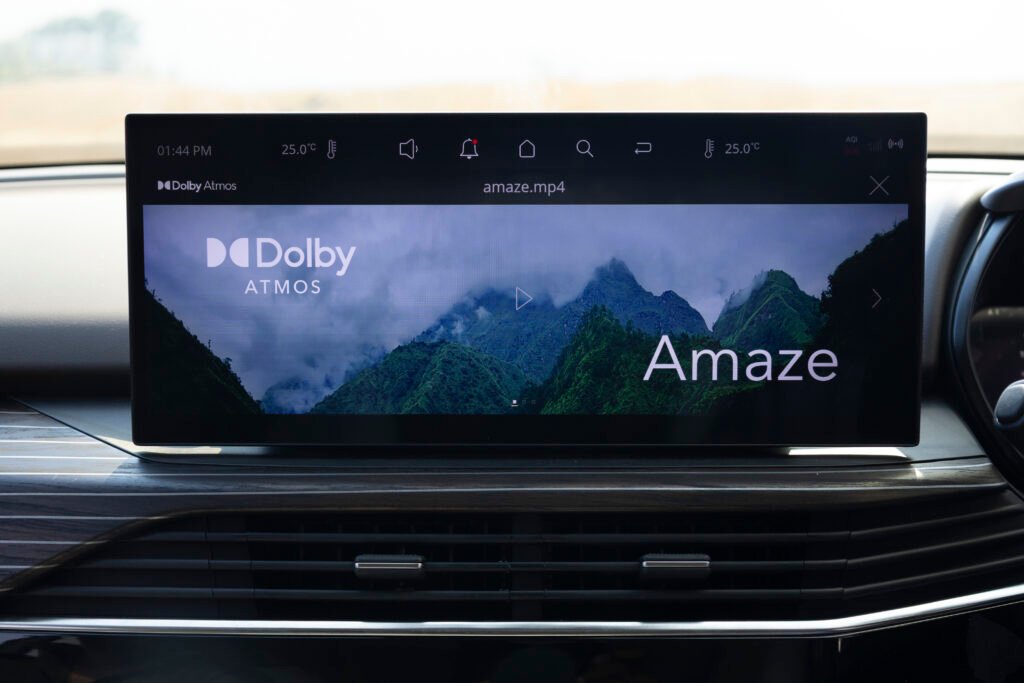
The Dolby Atmos audio through the 10 speaker JBL system genuinely transforms the in cabin audio experience. This is not a brochure upgrade. Spatial audio in a car cabin, when implemented properly, is a qualitatively different listening experience. The Harrier’s implementation is among the better ones in this price segment.
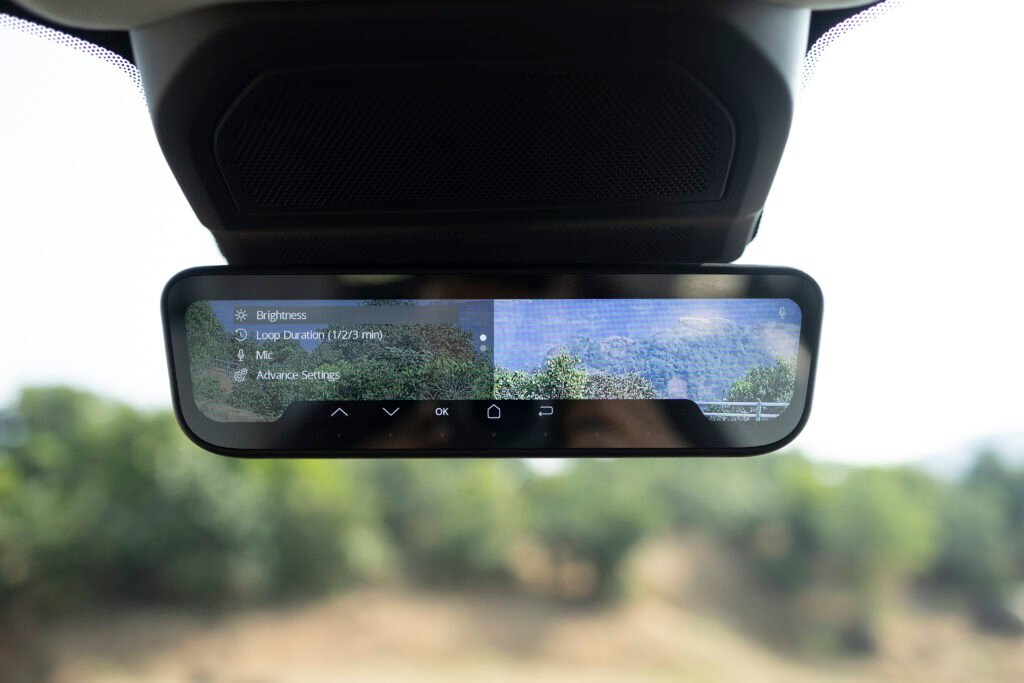
The integrated dashcam through the IRVM is meaningful for Indian driving conditions where having footage documentation is increasingly relevant. The clean integration, no suction cup mounts, no cable management, footage accessible through the infotainment, makes it genuinely usable rather than just nominally present.
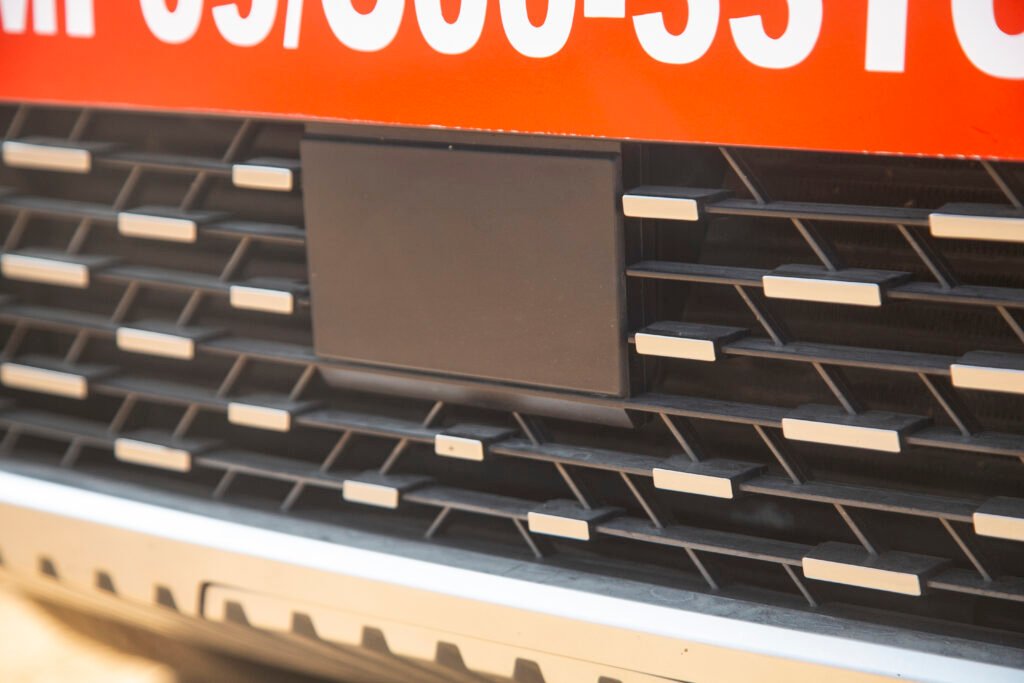
Level 2 ADAS with 17 ESP functionalities, 6 airbags as standard and 7 on higher variants, and electronic stability control form a safety foundation that the Harrier has maintained consistently through its updates. The ADAS suite includes adaptive cruise control, lane keep assist, front collision warning, and auto high beam, all relevant for highway driving.
Engine & Transmission
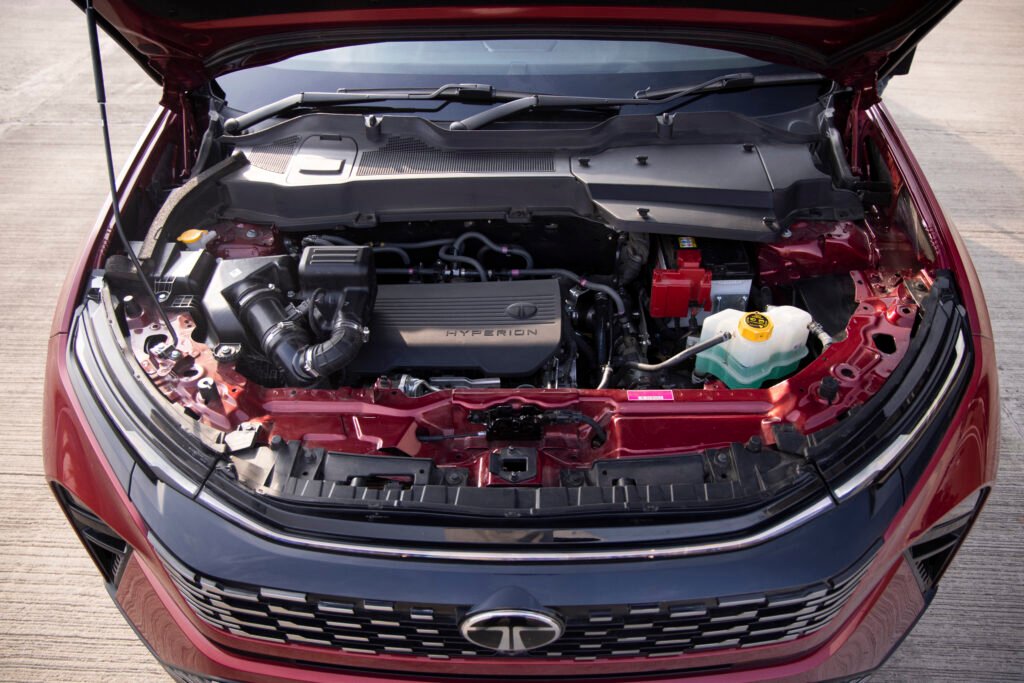
This is the section most people are here for, so let us be direct about what the 1.5 litre Hyperion turbo petrol is and what it is not.
It produces 168 bhp and 280 Nm of torque, numbers that look lighter on paper compared to the diesel’s 170 PS and 350 Nm. The torque difference is where the character difference lives. The diesel’s 350 Nm pulls from low down and gives the Harrier a sense of effortless grunt. The petrol’s 280 Nm has to work a little harder and sits higher in the rev range.
In real world conditions, this translates to a driving experience that is notably more refined and considerably quieter than the diesel, but one that feels less overtly muscular when you want to push. City driving, daily commuting, and relaxed highway cruising are all well within this engine’s comfort zone. It does not strain, it does not feel breathless, and it is genuinely smooth in a way that the diesel, good as it is, cannot match.
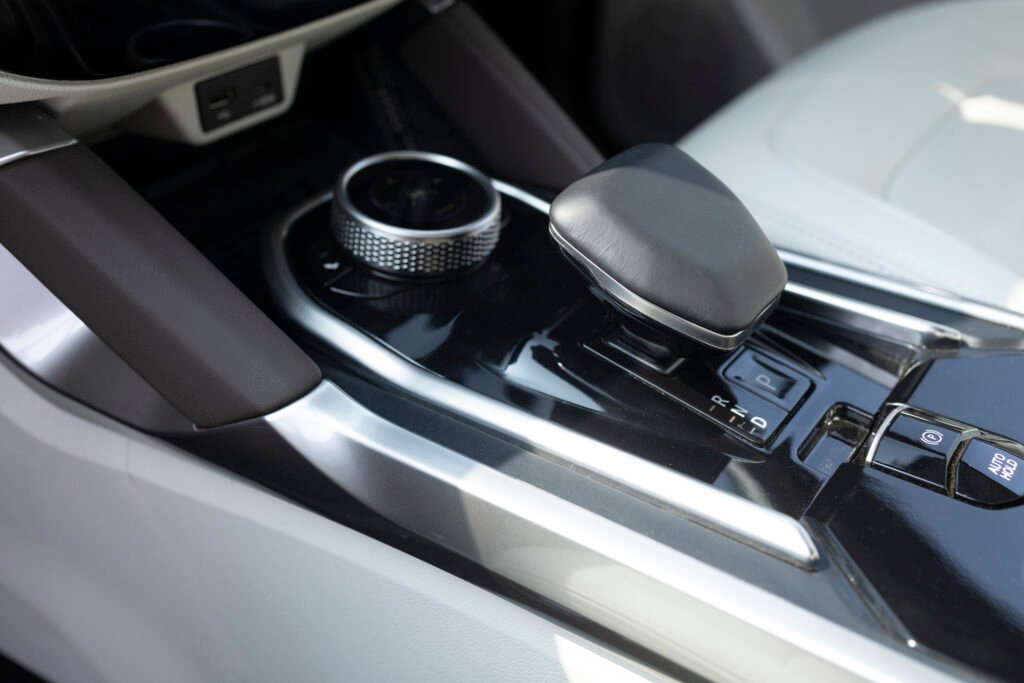
The 6 speed torque converter automatic is well matched to this engine’s character. Gear changes are smooth and unobtrusive. The gearbox does not hunt between ratios in city traffic, and at highway speeds it finds the right gear and stays there. Paddle shifters add a manual override option when you want it.
Claimed fuel efficiency is 16.8 kmpl. Real world figures from early owner data suggest 11 to 13 kmpl in city conditions and 16 to 18 kmpl on highways. For a car of this size with a naturally aspirated feel, those are respectable numbers, though diesel owners will still have the efficiency argument in their favour on long highway runs.
This engine is not the Harrier’s maximum capability. It is the Harrier’s most liveable daily form.
Driving Dynamics & Braking
The Harrier petrol automatic drives with a settled, composed confidence that suits its positioning as a premium lifestyle SUV.
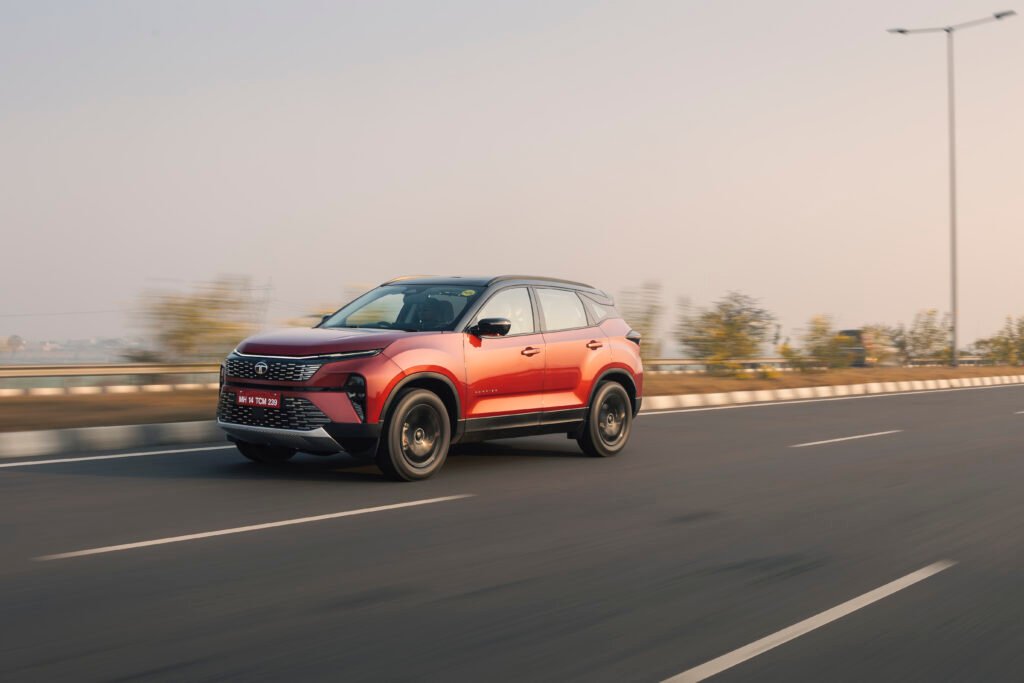
Steering weight is well calibrated. Light enough in city conditions to make manoeuvring the Harrier’s 4.6 metre length manageable, but with enough weight at speed to feel stable and planted. Feedback is limited, consistent with the Harrier’s comfort first tuning, but stability during highway lane changes and at high speeds is genuinely good.
Braking is a point worth noting. The petrol variants in some configurations get front disc and rear drum brakes rather than the all wheel disc setup on the diesel. This is worth verifying against your specific variant before purchasing. Where disc brakes are fitted all round, stopping power is confident and well modulated. The pedal feel is progressive and reassuring throughout.
The ADAS suite is competent and non intrusive. Lane keep assist corrects gently rather than aggressively grabbing the wheel, and the adaptive cruise control maintains gaps smoothly on highways.
Ride & Handling
The Harrier has always been a car that gets better as the road gets longer, and the petrol automatic is no different.
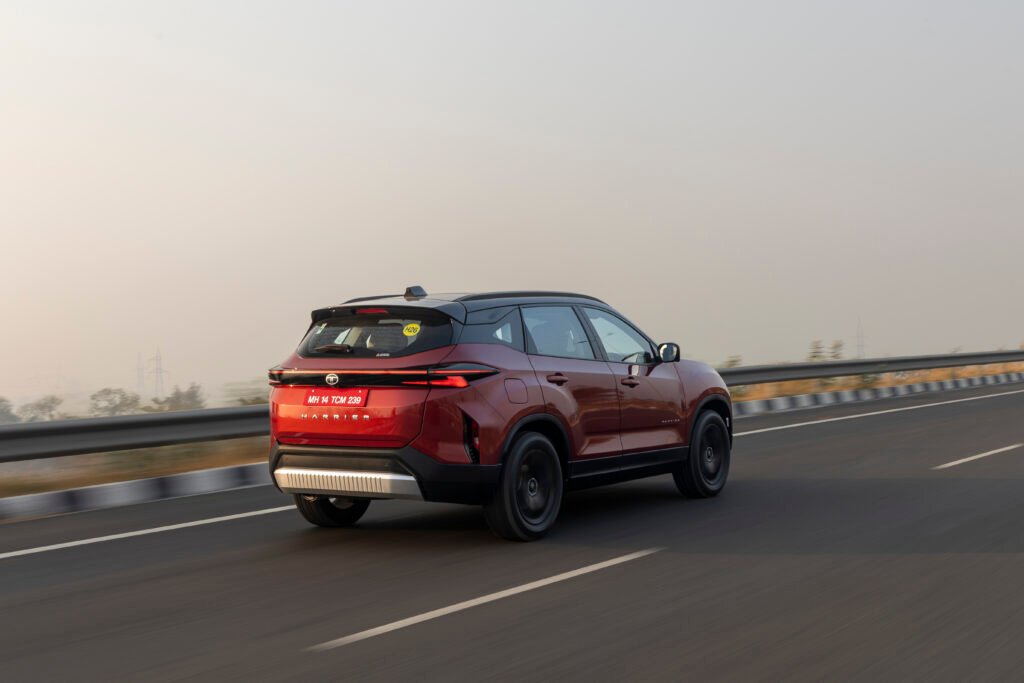
Suspension tuning leans toward comfort. The setup absorbs broken patches, speed breakers, and uneven road surfaces with a composure that makes the Harrier feel considerably larger than its sub five metre footprint suggests. There is no brittleness, no crashiness over sharp inputs, just a steady quiet absorption of what the road sends.
On highways, the Harrier is exactly what you want from a premium family SUV. Wind noise is well suppressed, the ride settles into a smooth floating quality, and the petrol engine’s refinement means the overall sensory experience in the cabin is notably quieter than the diesel.
Handling in corners is predictable and safe. There is body roll as expected from a tall SUV, but it is progressive and never unsettling. The Harrier does not try to be a driver’s car and does not pretend otherwise, but it holds its line confidently when you need it to.
Safety
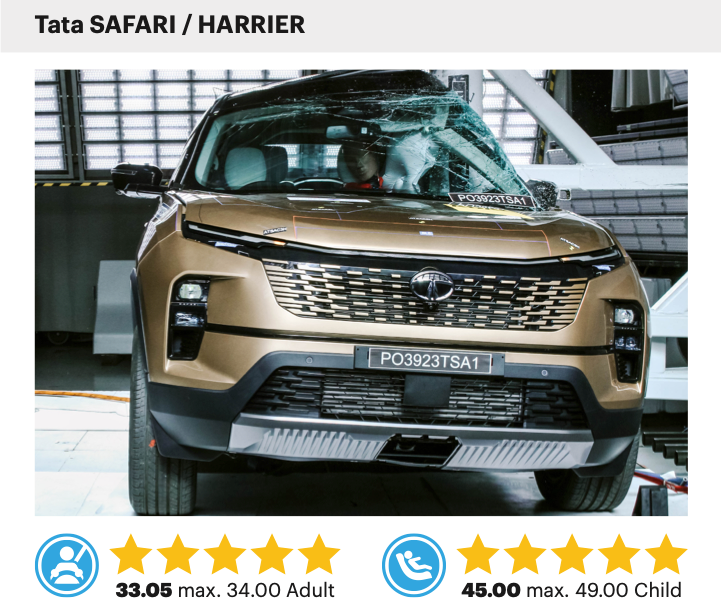
The Tata Harrier carries a 5 star Global NCAP safety rating, which has been one of its strongest credentials since the current generation launched. That structural foundation carries through to the petrol variants without compromise.
Standard safety equipment includes 6 airbags across the range, with 7 airbags on higher variants. The ADAS Level 2 suite, electronic stability control with 17 functionalities, ABS with EBD, hill start assist, and a 360 degree camera are present across the upper trims.
The Harrier petrol at the time of this review has not undergone Bharat NCAP testing as a separate petrol variant. The 5 star Global NCAP rating on the existing platform is a strong safety baseline, but buyers focused on Bharat NCAP ratings specifically should note this before finalising their decision.
Value for Money
The Smart petrol manual at Rs. 12.89 lakh is an entry point rather than a recommendation. It carries the Harrier’s design and safety credentials but misses most of the features that define the upper trim experience.
The Adventure X petrol automatic is the sweet spot for most buyers. It brings the full feature set, panoramic sunroof, ventilated seats, ADAS, the upgraded infotainment, at a price that is justifiable without stretching into the Fearless territory.
The Fearless X Plus at Rs. 24.69 lakh is the complete car, but at that price the XUV700 and the Alcazar both make strong counter arguments. The Harrier justifies that figure on the strength of its design, its refinement, and its feature quality, but it is a price that requires honest deliberation rather than impulse.
For buyers specifically choosing petrol over diesel, the pricing advantage of Rs. 1 to 1.5 lakh less than equivalent diesel variants makes the decision straightforward. The daily refinement benefit of the petrol adds meaningfully to that value.
Pros & Cons
Pros
- The most refined and silent version of the Harrier ever made
- 5 star Global NCAP safety rating on a platform that has proven itself
- 14.5 inch OLED infotainment display is a genuine quality upgrade over what came before
- Dolby Atmos on the JBL system transforms the in cabin audio experience
- Camera washers are a practically useful, thoughtfully engineered addition
- New Oyster White interior theme makes the cabin feel significantly more premium and airy
- Priced Rs. 1 to 1.5 lakh lower than equivalent diesel variants
- Strong rear seat comfort and space for a five seater
Cons
- Noticeably less low end torque than the diesel; the muscular pull is a diesel characteristic that petrol cannot replicate
- Some petrol variants get rear drum brakes rather than all wheel discs: verify before buying
- Top spec Fearless X Plus petrol at Rs. 24.69 lakh faces strong competition from larger and more capable SUVs at similar pricing
Verdict
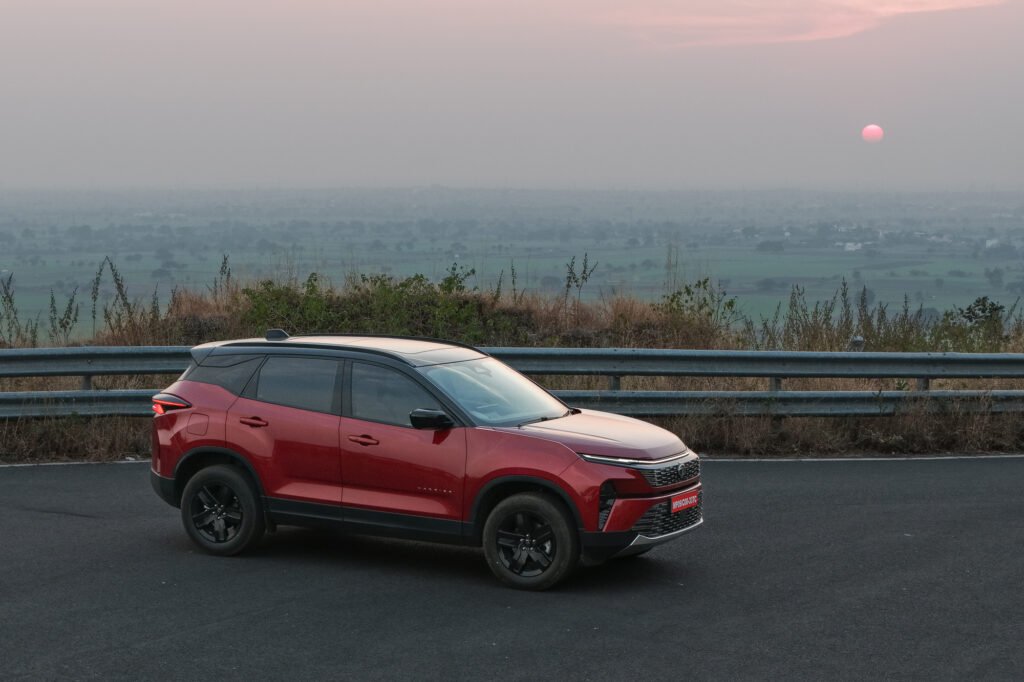
The Tata Harrier Petrol Automatic does not need to justify its existence with performance numbers or segment first feature lists. Its justification is simpler and more human than that.
There are buyers who looked at the Harrier for years, felt something when they saw it, sat inside and thought yes, and then did not buy it because of the diesel. Those buyers now have a car. That is what this powertrain addition means in real terms.
What Tata has done well here is resist the temptation to simply drop a petrol engine in and call it a day. The feature upgrades, the OLED screen, the Dolby Atmos audio, the camera washers, the new interior theme, make the petrol feel like a considered product direction rather than a late market response. It feels like it was thought about.
If you cover primarily city kilometres, value refinement and cabin silence over outright performance, and have always loved the way the Harrier looks, this is the version you have been waiting for. Buy the Adventure X automatic if the budget needs discipline, and the Fearless X automatic if you want everything the Harrier has to offer.
If you do significant highway distances and efficiency is a priority, the diesel still makes the stronger mathematical case. But for the urban Harrier buyer who never fully connected with diesel ownership, the wait is finally over.
Review unit driven: Tata Harrier Petrol Automatic | AutoMatta.in
